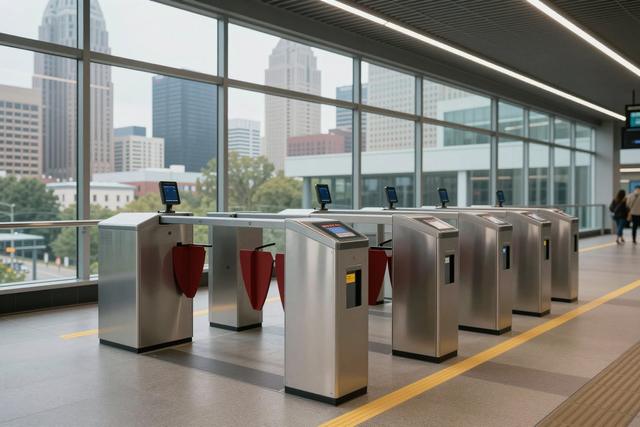
MARTA announced a change to the method it uses to count passenger trips as the agency continues installing fare gates throughout its system. The revision comes as the fare gate rollout approaches its final stages, marking a shift in how the transit authority will capture ridership data across Atlanta.
The adjustment to counting practices is intended to provide more precise figures on how many riders use MARTA services. Accurate trip counts are a key factor in determining the level of federal funding the agency receives, as well as in estimating revenue and shaping service planning decisions. By aligning its data collection with the new hardware, MARTA aims to ensure that the numbers it reports reflect actual usage more closely.
MARTA’s reliance on exact rider statistics is rooted in the need to secure appropriate funding and to calibrate service levels to match demand. When ridership data is reliable, the authority can make informed choices about scheduling, frequency, and resource allocation. The upcoming completion of fare gates is expected to reduce discrepancies that have existed under previous counting methods.
The transit agency has not disclosed specific timelines for the final installation of fare gates, but indicated that the project is nearing its end. As the new system comes online, MARTA will transition to the updated counting approach, which should streamline the reporting process and enhance the quality of data submitted to federal and state oversight bodies. The move underscores MARTA’s commitment to maintaining a data-driven foundation for its operations and future growth.