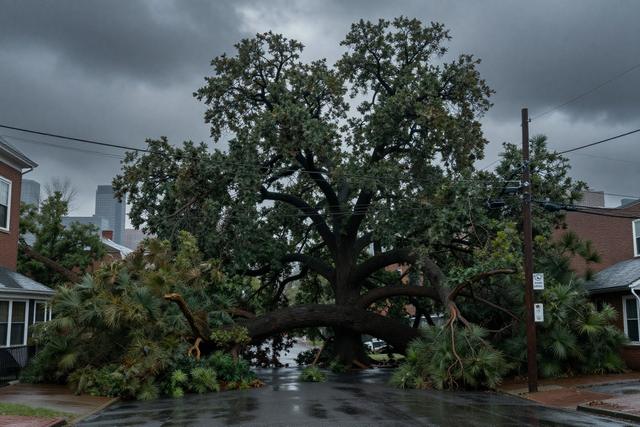
A large tree came down on September 25, 2026, in Dorchester, Boston, bringing down power lines and leaving residents without electricity. The incident occurred as a nor'easter moved into Massachusetts, generating strong winds that swept through several Boston neighborhoods.
City crews responded quickly after the tree fell, working to clear the blockage and restore service. Utility crews were seen setting up equipment near the fallen trunk, while emergency personnel directed traffic around the affected street to keep the area safe for both workers and residents. Power outages were reported in the immediate vicinity of the tree, with some households experiencing extended downtime as crews assessed damage to the overhead lines.
The nor'easter, which has been affecting the state with high wind speeds and gusts, has caused a series of similar incidents across the region. In other parts of Boston, fallen branches and debris have blocked sidewalks and damaged property, prompting city officials to issue warnings about the potential for further hazards as the storm continues its path.
Local officials emphasized the importance of staying indoors during the strongest periods of the storm and avoiding travel unless necessary. They also reminded residents to report downed wires or hazardous conditions to municipal services, noting that swift reporting helps crews prioritize repairs and reduce the risk of accidents.
While the tree in Dorchester was the most visible example of the storm’s impact on the community, city engineers are reviewing the incident to determine whether additional preventative measures, such as pruning vulnerable trees near power lines, may be needed ahead of future weather events. Residents are expected to receive updates on power restoration timelines as crews complete their work.
The nor'easter is forecast to move further inland later this week, with officials monitoring conditions and preparing for possible additional disruptions as the system weakens.
Overall, the fallen tree serves as a reminder of the immediate effects severe weather can have on everyday infrastructure, prompting both emergency response and longer‑term planning to mitigate similar incidents in the future.