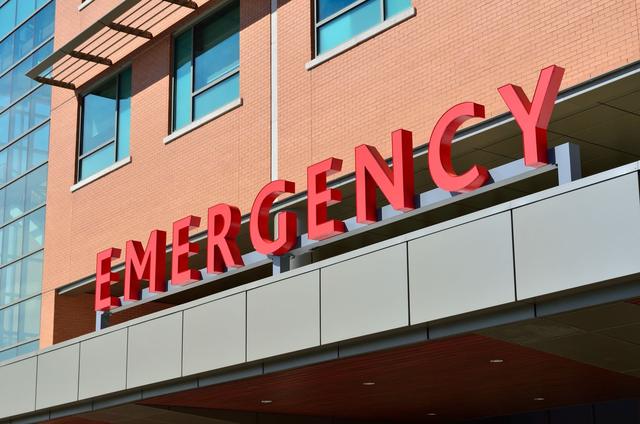
A recent Chicago‑based study has found that emergency departments across the city experience a noticeable increase in patient volume when extreme heat conditions prevail. Researchers examined patterns of illness and injury during periods of high temperature and concluded that the surge is linked to heat‑related health issues.
The analysis focused on the frequency of cases such as dehydration, heat‑induced illness and cardiovascular problems that tend to rise as temperatures climb. By comparing emergency‑room data from hot spells with baseline periods, the investigators identified a clear upward trend in admissions for these conditions. The findings suggest that hotter days place additional demand on medical facilities, stretching resources and staffing.
Medical professionals in Chicago have long recognized that elevated temperatures can exacerbate underlying health concerns. The study reinforces that observation, highlighting how heat can trigger fluid loss, strain the heart and intensify chronic ailments, prompting more people to seek urgent care. Emergency‑room staff report that patients often arrive with symptoms ranging from mild dehydration to severe heat stroke, and that cardiac events become more common during heat waves.
Public health officials note that the pattern observed in the study aligns with broader concerns about climate‑related health impacts. While the research does not provide precise numbers, it underscores the need for preparedness measures during forecasted heat periods, including public advisories on hydration and strategies to reduce heat exposure for vulnerable populations.
The study’s authors call for continued monitoring of emergency‑room trends as the region experiences more frequent and intense heat events. Their work adds to a growing body of evidence that extreme weather can directly affect healthcare demand, reinforcing the importance of integrating climate considerations into city health planning.
Overall, the report points to a direct correlation between heat waves and an uptick in emergency‑room visits for dehydration, heat‑related illnesses and heart problems, indicating that Chicago’s medical infrastructure must adapt to the challenges posed by a warming climate.