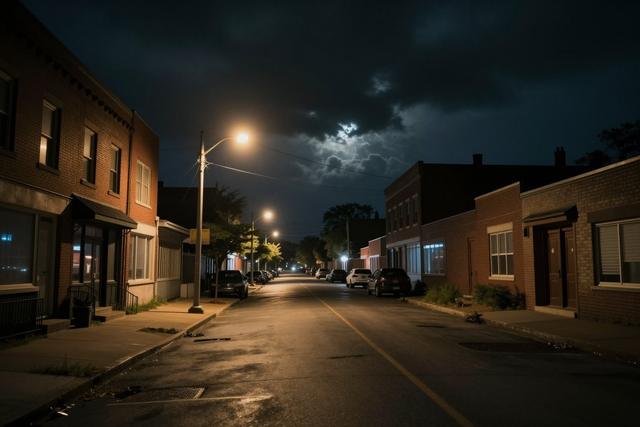
Severe storms that struck Gary, Indiana, on August 11, 2026, generated winds of 99 miles per hour and triggered a widespread power failure that persisted for nearly two weeks. The outage affected Gary and neighboring communities throughout Northwest Indiana, leaving thousands of households without electricity.
The high‑speed winds toppled trees, damaged power lines and knocked out critical infrastructure across the region. Residents reported a loss of lighting, heating and refrigeration, and many described the situation as unprecedented in recent memory. Emergency services and utility crews responded quickly, but the scale of the damage extended restoration timelines well beyond the initial days.
Ashlee Rezin, a resident of Gary, said the blackout forced her family to rely on generators and limited supplies while waiting for power to return. She noted that the prolonged loss of electricity disrupted daily routines and highlighted the vulnerability of the area to extreme weather events.
Utility workers began systematic repairs within days of the storm, prioritizing areas with the greatest need. By the end of the second week, power was gradually restored to most neighborhoods, though some households continued to experience intermittent service. Local officials monitored the situation closely and coordinated with state agencies to expedite the recovery process.
The August 11 blackout has been described as historic because of its duration and the number of residents affected. The event underscores the challenges faced by Gary and Northwest Indiana when confronting severe weather, and it may influence future planning for storm preparedness and infrastructure resilience.