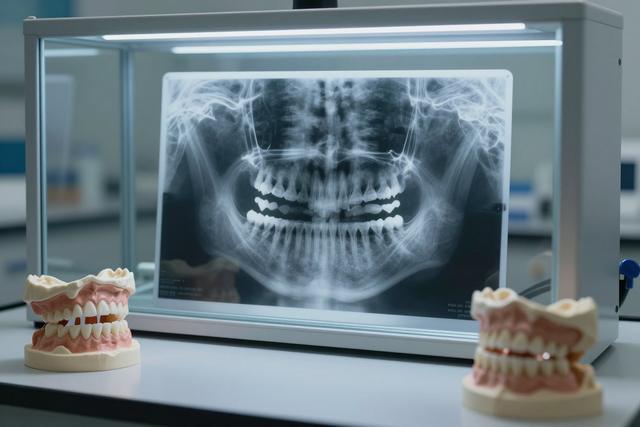
In 2018 a female body was recovered from the banks of Lake Houston in Texas and, to date, has not been identified. Law enforcement officials have turned their attention to the victim’s dental profile, noting that the teeth exhibit unusual characteristics that could provide a breakthrough in the cold case.
The remains were found by local authorities during a routine search of the shoreline. While standard forensic examinations yielded limited clues, the dental evidence stood out as a potential identifier. Investigators are now conducting a detailed analysis of the tooth morphology, noting patterns in shape, wear, and any distinctive dental work that may have been recorded in dental records.
Forensic odontologists play a central role in this phase of the investigation. By comparing the unique dental markers against databases of missing persons and dental records, they hope to find a match that can confirm the woman’s identity. The process involves high‑resolution imaging, measurements of each tooth, and the assessment of any fillings, crowns, or other restorations that could be linked to dental histories.
The focus on dental evidence reflects a broader strategy used in unidentified decedent cases, where DNA or fingerprints may be unavailable. Teeth often survive conditions that degrade other tissues, and their individual variations can serve as a biological fingerprint. Authorities emphasize that even a single distinctive feature—such as an unusual tooth alignment or a rare dental prosthetic—can be decisive.
As the analysis proceeds, investigators remain cautious, acknowledging that identification may still require corroborating evidence. Nonetheless, the renewed emphasis on the victim’s dental profile represents a concerted effort to bring closure to a case that has lingered for years. The community and families of missing persons continue to await answers, while forensic teams work methodically to match the distinctive teeth to a living record.
The outcome of this dental examination could either confirm the identity of the woman found near Lake Houston or provide new leads that guide further investigative steps, keeping the case active in the pursuit of resolution.