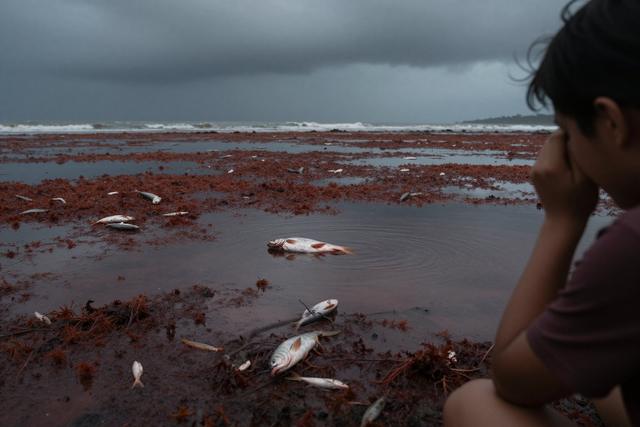
On September 12, 2026, the Texas Parks and Wildlife Department confirmed a moderate concentration of red tide algae off Bolivar Peninsula in Galveston County. Water samples collected near the shoreline showed the presence of the harmful bloom, and officials linked the detection to recent reports of fish deaths and irritation of the respiratory system among residents and visitors.
The department’s testing indicated that the concentration, while not classified as severe, is sufficient to produce toxins that can affect marine organisms. Local anglers and beachgoers reported seeing large numbers of fish floating near the water’s edge, a symptom commonly associated with red tide events. The toxins released by the algae can impair the gills of fish, leading to rapid mortality. The die-off was observed in the same waters where samples were taken.
In addition to the impact on marine life, the airborne particles from the bloom have caused respiratory discomfort for people in the immediate area. Individuals who spent time on the beach or near the water reported coughing, sneezing, and a burning sensation in the throat. Health officials advise those experiencing symptoms to limit exposure and seek medical attention if conditions worsen. Symptoms typically subside once exposure ends, but vulnerable individuals may experience prolonged effects.
Red tide, also known as a harmful algal bloom, regularly appears along the Texas Gulf Coast during warm months. While the current bloom is described as moderate, officials will continue monitoring water quality and toxin levels. The Texas Parks and Wildlife Department urges the public to stay informed through official updates and to avoid direct contact with affected water until conditions improve.