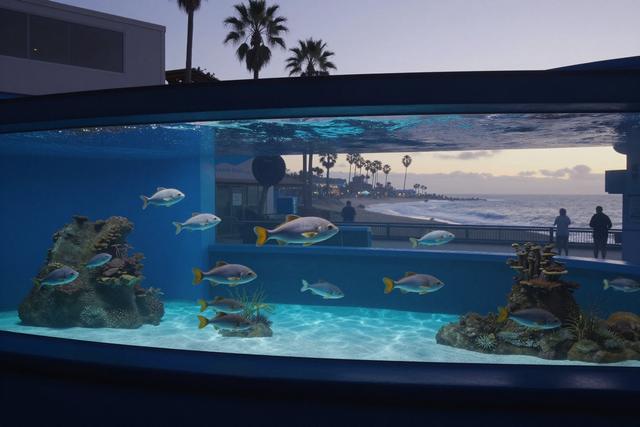
The Aquarium of the Pacific in Long Beach is temporarily housing five hundred animals that were seized from wildlife traffickers during the summer of 2026. The rescued creatures are being cared for alongside the facility’s regular collection, which includes roughly twelve thousand marine species.
Officials from the aquarium confirmed that the rescued animals have been integrated into existing care routines while a permanent solution is arranged. The influx adds a significant number of individuals to the aquarium’s daily operations, prompting adjustments in feeding, veterinary oversight, and habitat allocation.
The seizure of the trafficked animals was part of a broader law‑enforcement effort targeting illegal wildlife trade networks. After the operation, the rescued specimens were transferred to the aquarium, which has the capacity and expertise to provide immediate care for a diverse range of marine life.
Aquarium staff are monitoring the health and adaptation of the rescued animals, employing the same standards applied to the institution’s permanent residents. The temporary arrangement is expected to last through the remainder of the summer, after which authorities will determine the long‑term placement of the rescued individuals.
The situation underscores the aquarium’s role as a regional resource for emergency wildlife care. By accommodating the five hundred rescued animals, the Aquarium of the Pacific contributes to the broader effort to combat illegal wildlife trafficking and to provide a safe environment for animals removed from illicit markets.
Visitors to the aquarium will continue to see the usual displays of marine biodiversity, with the added presence of the rescued animals integrated into the existing exhibits where appropriate. The facility’s capacity to manage both its regular collection and the emergency intake highlights its operational flexibility during a critical period for wildlife protection.