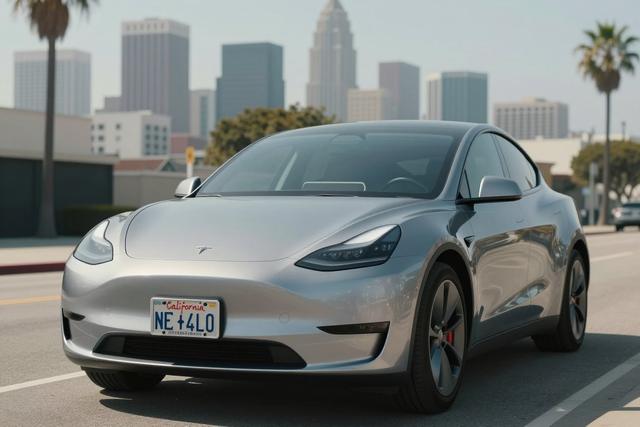
California announced on Friday that it will replace its long‑standing vehicle registration numbering system with a new format after the existing series, in use since the 1980s, was fully exhausted. The decision comes as the state’s Department of Motor Vehicles prepares to transition to the updated plates, which will be the first overhaul of the numbering scheme in more than four decades.
The current license plate sequence, introduced in the early 1980s, has been issued to millions of vehicles across the state. Over the years, the combination of letters and numbers allocated under that system ran out, prompting officials to design a fresh arrangement that can accommodate future registrations. State officials indicated that the new format will allow for a larger pool of unique identifiers, ensuring that California can continue to issue plates without interruption.
While the exact appearance of the new plates has not been disclosed, officials confirmed that the change will be implemented statewide. Motorists can expect to receive the updated plates as part of routine registration renewals or when applying for new registrations. The transition is expected to be phased, allowing the DMV to manage the swap without causing delays in vehicle documentation.
California’s move follows a broader trend among U.S. jurisdictions that have had to revise their numbering systems after decades of use. By updating the sequence, the state aims to maintain a consistent and orderly registration process for its residents. The rollout will be monitored by the DMV to ensure that the new plates are distributed efficiently and that any issues are addressed promptly.
The shift marks a significant administrative milestone for California, ending an era that began in the 1980s and opening a new chapter in vehicle identification for one of the nation’s most populous states.