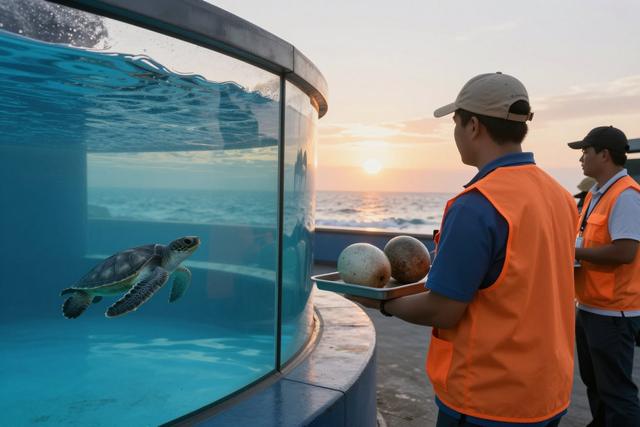
Officials from the Aquarium of the Pacific moved eggs from two endangered olive ridley sea turtle nests on Orange County beaches to the facility in Long Beach on September 25, 2026. The relocation was prompted by concerns that high surf and rising tides could jeopardize the developing embryos.
The decision to transfer the nests came after monitoring indicated that the coastal conditions were becoming unsafe for the vulnerable eggs. By moving them to the controlled environment of the aquarium, staff aim to protect the embryos until they are ready to hatch, reducing the risk of loss due to wave action or inundation.
Olive ridley sea turtles are listed as an endangered species, and their nesting sites along California's shoreline are especially susceptible to weather-related threats. The species relies on relatively stable beach conditions for successful incubation, making any sudden changes in surf or tide levels a significant danger to hatchlings.
The Aquarium of the Pacific, which houses a variety of marine life, has the capacity to simulate the natural conditions required for turtle egg development. By placing the eggs in temperature‑controlled tanks, the institution hopes to maintain the proper incubation environment while safeguarding them from external hazards.
This action underscores the ongoing challenges faced by conservation programs aimed at protecting marine reptiles in coastal regions. While the relocation does not guarantee a hatchling's survival, it offers a better chance than leaving the nests exposed to the forecasted surf. The aquarium plans to monitor the eggs closely and will release any hatchlings back into the ocean once they are strong enough to survive in the wild.
The move reflects coordinated efforts between local wildlife officials and marine institutions to mitigate the impact of unpredictable coastal weather on endangered species, ensuring that the olive ridley turtles have a viable path toward recovery.