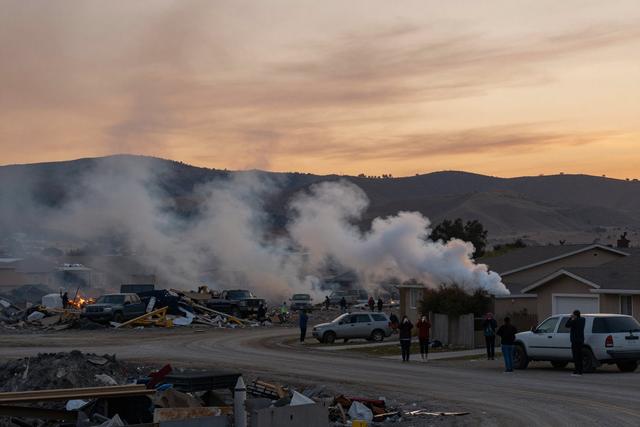
Simi Valley residents reported a noticeable increase in foul odors on August 29, 2026, after a local landfill began processing waste that originated from a recent warehouse fire in Boyle Heights. The landfill, situated near the border of the two communities, is handling food waste and other debris salvaged from the burned-out warehouse, prompting complaints from neighbors who say the smells have grown stronger over the past days.
The fire in Boyle Heights, which consumed a warehouse storing large quantities of food products, generated a substantial amount of charred material and spoiled inventory. Local authorities directed that the remnants be removed and taken to a nearby disposal site for safe processing. That site, now receiving the contaminated material, has become the focus of community concern as the odor profile shifted from typical landfill emissions to a more pungent, rotting scent associated with decomposing food.
Residents of Simi Valley, located just north of the landfill, described the smell as overwhelming and persistent, noting that it lingered throughout the day and seemed to intensify in the evening. While no health impacts have been reported, the unpleasant odor has disrupted daily routines and raised questions about the handling procedures for fire‑related waste. Local officials have acknowledged the complaints and indicated that the landfill is following standard protocols for the intake of the debris, including measures to mitigate odor and control pests.
The situation underscores the broader challenge of managing waste generated by unexpected disasters such as fires, especially when that waste includes perishable items that can emit strong odors during decomposition. As the landfill continues to process the fire debris, Simi Valley residents are monitoring the situation closely, hoping for a swift resolution to the odor issue.
Authorities have not provided a timeline for when the odor may subside, but they have affirmed that the landfill remains compliant with state environmental regulations while addressing the unique demands of the recent fire cleanup.