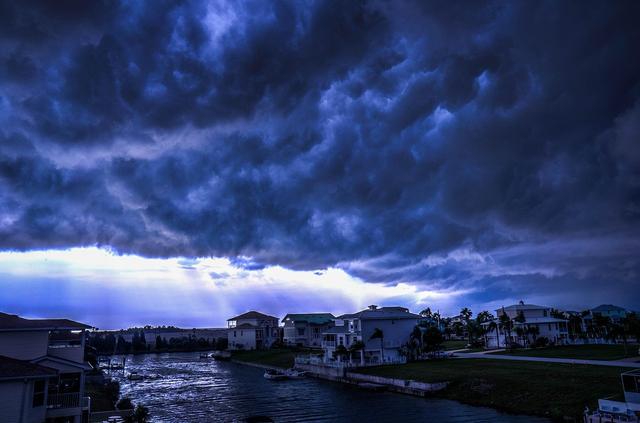
Six tropical storms have developed in the Atlantic basin during the 2026 hurricane season, yet none have intensified to hurricane status, according to meteorologist John Morales. The most potent of the systems, named Fay, reached maximum sustained winds of 70 miles per hour, falling short of the 74‑mile threshold required for classification as a hurricane.
The absence of a hurricane this year marks an uncommon occurrence in modern records. Since 1950, every Atlantic hurricane season has produced at least one storm that achieved hurricane strength, making the current zero‑hurricane outcome notably rare. Historical data shows that the only other Atlantic seasons without a hurricane occurred in 1907 and 1914, both over a century ago.
The six named storms have each been monitored closely as they traversed the Atlantic, but none have demonstrated the organization or wind speed necessary to be upgraded. Fay, the strongest of the group, peaked at 70 miles per hour before weakening, illustrating the season's overall lack of intensification.
John Morales emphasized that while the lack of hurricanes reduces immediate threats to coastal communities, the formation of multiple tropical storms still warrants vigilance. Tropical storms can bring heavy rainfall, flooding, and gusty winds, even without reaching hurricane force.
Meteorological agencies continue to track the remaining disturbances, noting that the Atlantic basin remains active despite the unusual wind‑speed outcomes. The season's progression will be compared against historical patterns, with particular attention to whether any of the existing storms might strengthen further before the official season concludes.
Overall, the 2026 Atlantic hurricane season stands out for its six tropical storms and the unprecedented absence of a hurricane, a scenario not seen since the early 20th century.