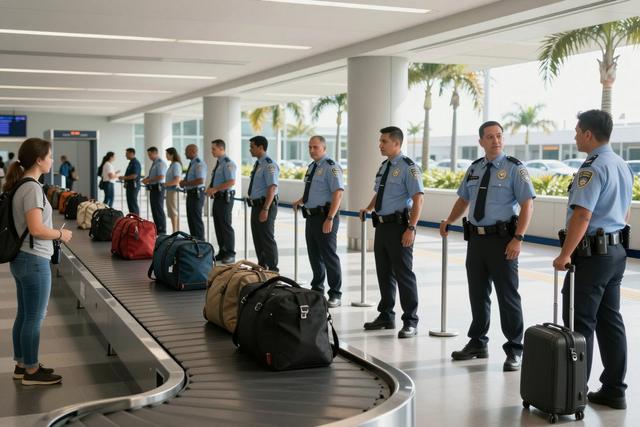
The United States marked the 25th anniversary of the September 11, 2001 attacks by recalling the nationwide restructuring of airline security that followed. In response to the attacks, the federal government established the Transportation Security Administration and introduced a suite of stricter screening procedures at airports across the country.
Prior to the attacks, the Federal Aviation Administration managed passenger screenings, and travelers were permitted to bring larger liquid containers, including bottles up to 20 ounces, onto aircraft. The post‑9/11 reforms replaced FAA‑only oversight with a dedicated security agency and imposed new limits on liquids, aerosols and gels, effectively reducing the allowable size of containers to a fraction of the previous allowance.
The new regulations have been applied uniformly at major hubs, including Miami International Airport. Angela Gittens, a Transportation Security Administration official stationed at MIA, noted that the procedures introduced after 2001 have become standard operating practice for both staff and passengers. The shift in responsibility also required the FAA to coordinate closely with the TSA on air safety matters while the TSA assumed primary control of passenger and baggage screening.
The changes instituted in the wake of the 2001 attacks have endured for a quarter of a century, shaping the daily experience of millions of air travelers. The 20‑ounce liquid limit, introduced as part of the overhaul, remains a visible reminder of the security framework created after the attacks. As the United States reflects on the anniversary, the continued operation of the TSA and the lasting impact of the revised screening protocols underscore the long‑term response to the events of September 11, 2001.