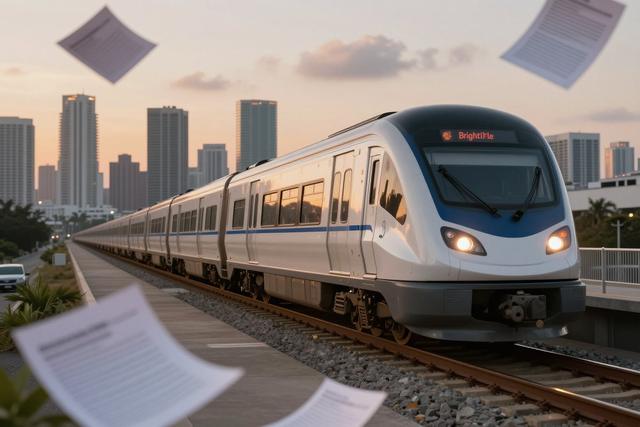
Brightline told its investors that the Miami‑Dade transit tax produces roughly $5 billion each year, a figure that county officials say is not correct. At the same time, Miami‑Dade County is weighing a proposal to direct hundreds of millions of dollars from the same tax toward the private rail operator.
The dispute centers on the size of the annual revenue generated by the county’s local transit tax, which is earmarked for a range of transportation projects across the region. Brightline, which operates intercity passenger rail service, has used the $5 billion estimate in discussions with investors to justify further public financing for its network. County representatives, however, have indicated that the actual annual collections fall short of that amount.
County officials have not provided a precise figure for the transit‑tax proceeds but have confirmed that a portion of the fund could be allocated to Brightline. The potential contribution is described in broad terms as “hundreds of millions of dollars,” a sum that would supplement the railroad’s existing financing structure.
Investors in Brightline have been monitoring the situation closely, as the accuracy of the tax revenue claim directly affects expectations for future public support. The county’s deliberations are part of a larger effort to balance the needs of existing transit initiatives with new opportunities for private‑public partnership in rail service.
If the county moves forward with a sizable allocation, the infusion of public money could help expand Brightline’s service footprint, while also raising questions about the overall distribution of transit‑tax resources among competing projects in Miami‑Dade.
The outcome of the county’s decision is expected to shape both the financial outlook for Brightline and the broader transportation planning framework within the county.