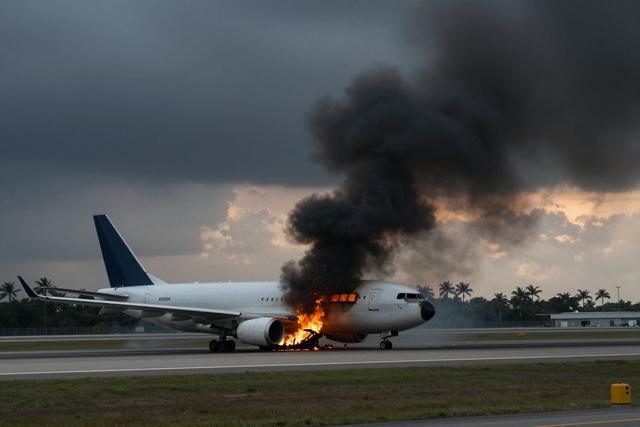
On August 7, 1997, a Fine Air cargo aircraft departed Miami International Airport and crashed moments after takeoff, igniting a fire that claimed five lives. The disaster unfolded on the runway as the plane failed to gain altitude, leading to an immediate emergency response from airport personnel.
Emergency crews arrived quickly, battling flames that engulfed the aircraft. Investigators later confirmed that the five fatalities consisted of the three members of the flight crew and a security guard stationed at the airport. The remaining occupants escaped without serious injury, although details of any additional passengers were not disclosed in the official report.
The crash prompted a thorough review of safety procedures at Miami International Airport, as authorities examined factors that could have contributed to the loss of control shortly after departure. While the specific cause was not released in the summary, the incident underscored the risks inherent in cargo operations at busy commercial hubs.
Nearly thirty years after the Fine Air tragedy, the same airport was the site of another cargo‑plane accident involving an Amazon aircraft. That more recent event has drawn comparisons to the 1997 crash, highlighting a pattern of incidents at the facility over time. Both accidents occurred during the critical phase of takeoff, a period recognized for heightened vulnerability in aviation.
The Fine Air crash remains a somber chapter in Miami's aviation history, remembered for the loss of the crew members who perished and the security guard who was on duty. It serves as a reminder of the ongoing importance of rigorous safety oversight in cargo aviation, especially at high‑traffic airports like Miami International.