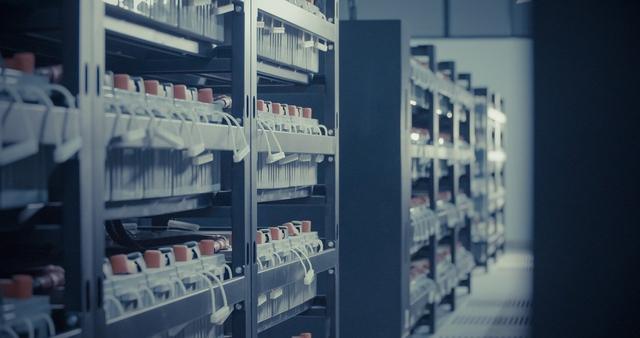
Residents of northwest Miami-Dade have raised questions about a new data center proposed by Iron Mountain after the company held a groundbreaking ceremony in 2025. The facility, slated for construction in the Miami‑Dade area, is part of Iron Mountain’s broader network of more than 3,000 data centers across the United States.
Community members cited concerns about the impact of the project on the local environment and quality of life. While the company has not released detailed plans for the site, the presence of a large data center in the neighborhood has prompted residents to seek clarification on issues such as noise, traffic, and energy consumption.
The debate occurs against a backdrop in which data centers play a critical role in powering artificial‑intelligence services used by many Americans. National statistics indicate that over 40 percent of the U.S. population lives within five miles of an operating or planned data center, and roughly half of Americans engage with AI systems on a daily basis. These figures underscore the growing importance of such facilities in delivering digital services, while also highlighting the proximity of these installations to residential areas.
Iron Mountain’s expansion reflects a broader industry trend of increasing data‑center capacity to meet rising demand for AI‑driven applications. The company’s nationwide footprint includes a wide range of facilities that support cloud storage, computing, and disaster‑recovery services. However, the specific location in northwest Miami‑Dade has drawn attention because of the concentration of residents in the region.
Local officials have acknowledged the community’s concerns and indicated that they will monitor the project’s compliance with zoning and environmental regulations. The ongoing dialogue between residents, the company, and municipal authorities is expected to shape the final design and operational parameters of the data center.
As the project moves forward, the balance between expanding digital infrastructure and addressing neighborhood impacts will remain a focal point for both the community and Iron Mountain.