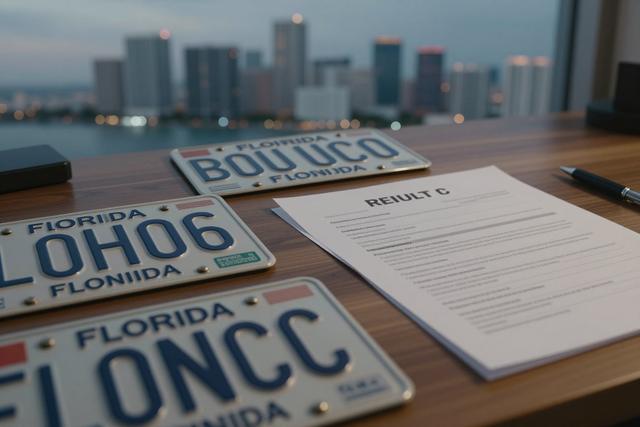
The Florida Legislature announced that twelve statutes will become effective on Oct. 1, 2026, adding to the roughly 230 measures approved during the current session. The new laws introduce additional vehicle‑registration paperwork, establish felony penalties for false rental applications, and expand animal‑welfare protections.
Legislators completed the bulk of the session’s work on July 1, 2026, when the majority of the 230 measures took effect. A second group of twelve statutes has been slated for activation later in the year, marking a staggered rollout of the legislative agenda.
Among the upcoming provisions, the vehicle‑registration changes require owners to submit more detailed documentation when renewing plates, a move intended to improve record accuracy and enforcement. The rental‑application reforms elevate the crime of providing false information to a felony, aiming to deter fraudulent practices in the housing market.
Animal‑welfare advocates will see a strengthening of existing rules, though the specific amendments were not detailed in the announcement. The broader effort reflects a focus on enhancing protections for animals across the state.
The twelve measures are part of the Legislature’s broader strategy to address a range of policy areas in a single session. By dividing implementation dates, lawmakers allow agencies time to adjust to new requirements and provide the public with a clear timeline for compliance.
Stakeholders, including motor‑vehicle agencies, landlords, and animal‑rights groups, are expected to prepare for the changes ahead of the October deadline. The staggered approach also gives regulators an opportunity to issue guidance and address any operational challenges before the laws take effect.
Overall, the upcoming statutes represent the final wave of reforms from a session that saw a substantial legislative output, rounding out a year of policy activity that began in early July and will conclude with the Oct. 1 rollout.