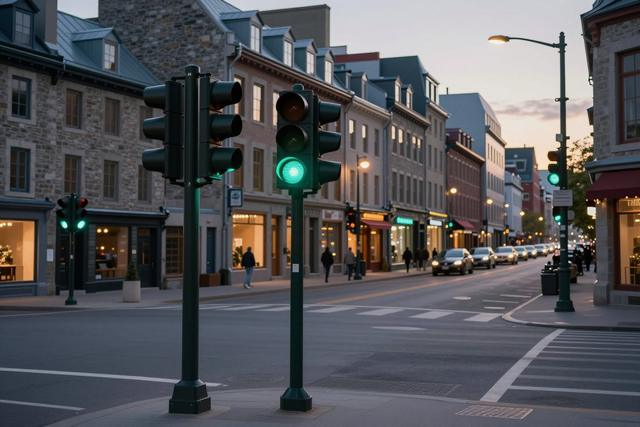
Artificial intelligence began controlling traffic signals in Quebec City and Kirkland on June 15, 2026, marking a new phase in the province's effort to ease road congestion. The technology, which adjusts light cycles in real time, is intended to improve the fluidity of traffic across both municipalities.
François Joly, a municipal official, confirmed that the AI systems will operate the lights without human intervention, using data from sensors and cameras to determine optimal timing. The pilot aims to reduce bottlenecks during peak periods and to provide a smoother driving experience for commuters.
The initiative follows a broader trend of applying AI to urban mobility. Cities such as Melbourne have already integrated similar systems into their traffic management strategies, demonstrating measurable gains in travel time and reduced emissions. Quebec municipalities are now testing the technology to assess its suitability for local conditions.
By automating signal adjustments, the AI platform can respond to fluctuations in traffic volume more quickly than traditional timed cycles. Proponents argue that this responsiveness will help prevent the build‑up of queues at busy intersections, especially during rush hour.
The deployment in Quebec City and Kirkland represents the first public‑sector use of AI‑controlled traffic lights in the province. Officials plan to monitor performance metrics closely, including average vehicle speed, wait times at intersections, and overall traffic flow. Results from the trial will inform decisions about expanding the system to other Quebec cities.
While the technology promises efficiency gains, authorities acknowledge the need for ongoing evaluation to ensure safety and reliability. The pilot will run through the remainder of the year, after which a comprehensive review will determine the next steps for AI integration in Quebec's transportation network.