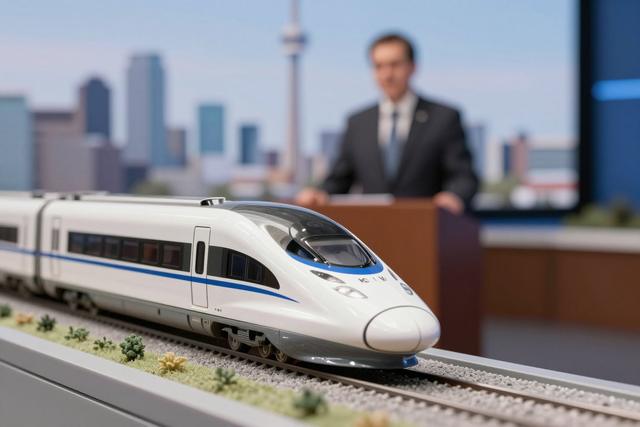
Alto president and chief executive Martin Imbleau defended the planned high‑speed rail link between Quebec City and Toronto on June 10, 2026, after the Parti Québécois and Bloc Québécois publicly questioned the project's escalating price tag.
Critics from the two Quebec nationalist parties noted that the rail line's budget has more than doubled, now standing at $200 billion. They argued that the soaring cost threatens the financial viability of the project and called for a reassessment of the expenditure.
Imbleau responded by reiterating the importance of the high‑speed connection for both regions, emphasizing that the benefits of faster travel and economic integration remain central to the initiative. He did not disclose any new figures or revisions to the original budget, but affirmed that Alto remains committed to delivering the line.
The debate has turned the rail proposal into a political flashpoint in Quebec, where nationalist parties are scrutinizing large‑scale infrastructure spending. Their focus on the budget overruns reflects broader concerns about fiscal responsibility and the allocation of public resources.
The high‑speed rail project, envisioned to link the two major cities across provincial borders, continues to attract attention from policymakers and the public alike. While supporters cite potential improvements in mobility and regional growth, opponents highlight the $200 billion cost as a significant hurdle. The ongoing discourse suggests that the project's future will depend on how effectively its financial challenges can be addressed and whether political consensus can be reached.