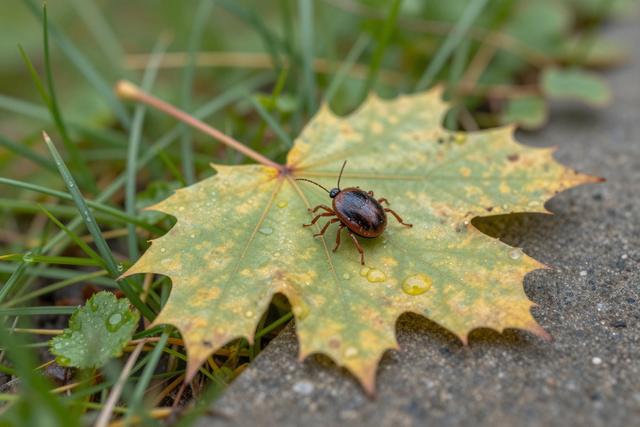
Health officials in Quebec have confirmed a rise in reported cases of anaplasmosis, a tick‑borne illness, as of Saturday, July 18, 2026. The increase signals growing attention to a disease that, while less widely recognized than Lyme disease, can present more acute symptoms following a tick bite.
Anaplasmosis is transmitted when an infected tick attaches to a person and feeds, introducing the bacterium into the bloodstream. The illness shares the same vector as Lyme disease, but medical professionals note that its clinical presentation can be more severe, prompting quicker medical evaluation. The recent uptick in cases has prompted public health agencies to reinforce monitoring efforts throughout the province.
The disease remains relatively obscure compared with Lyme disease, which often dominates public discourse on tick‑borne threats. Nonetheless, its potential for rapid symptom development makes it a priority for clinicians who encounter patients with recent outdoor exposure. Physicians are advised to consider anaplasmosis in the differential diagnosis when individuals present with fever, chills, muscle aches, or other flu‑like signs after a tick bite.
While specific numbers have not been disclosed, the trend of increasing reports underscores the importance of preventive measures during outdoor activities. Residents and visitors to Quebec’s wooded and grassy areas are reminded to use protective clothing, apply insect repellent, and conduct thorough tick checks after spending time in habitats where ticks are common. Early detection and prompt treatment are essential to mitigate the more acute nature of the infection.
Public health officials continue to track the spread of anaplasmosis across the province, emphasizing that awareness and prevention remain key tools in limiting further case growth. The ongoing surveillance aims to ensure that health resources are allocated effectively as the situation evolves.