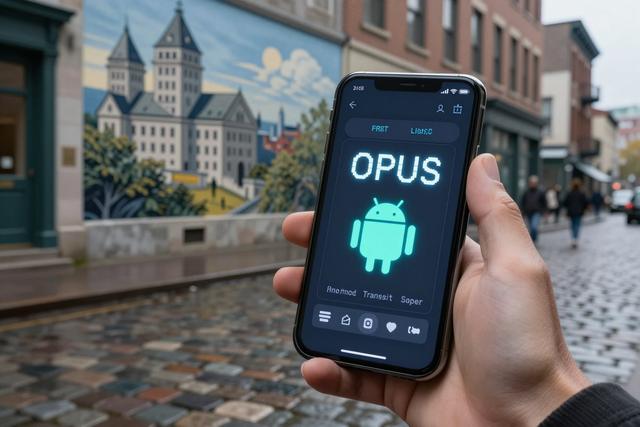
As of July 2026, Android smartphone owners in the greater Montreal area can add their OPUS transit passes directly to their devices, allowing them to board buses, metros and commuter trains without presenting a physical card. The new functionality lets riders store the fare product in the phone’s digital wallet and tap the device at the fare validator in the same way they would a traditional OPUS smart card.
The change means that commuters who rely on Android phones no longer need to carry a separate OPUS card in addition to their mobile devices. By loading the transit pass onto the phone, riders can simply hold their handset up to the validator, streamlining the boarding process and reducing the number of items needed for a trip. The feature is available to all Android users throughout the Montreal metropolitan region.
Montreal’s public‑transit system has long required passengers to use a physical OPUS smart card to pay fares. Introduced years ago, the OPUS card has been the standard method for accessing the STM network, including the Metro, bus routes and commuter rail lines. Until now, the system has not offered a native digital alternative for fare payment on Android platforms.
The introduction of Android‑based pass storage represents the first time the OPUS fare product can be managed on a mobile operating system other than iOS. While the rollout is limited to Android devices, it expands the digital options previously available only to iPhone users through the Apple Wallet. The update is expected to be rolled out automatically to compatible phones via the transit authority’s software update, with guidance provided through the STM’s website and in‑app notifications.
By enabling Android phones to serve as virtual OPUS cards, the transit authority aims to simplify fare payment for a broader segment of riders. The shift to mobile‑based passes aligns with growing trends in digital ticketing and may influence future enhancements to the city’s fare collection system.