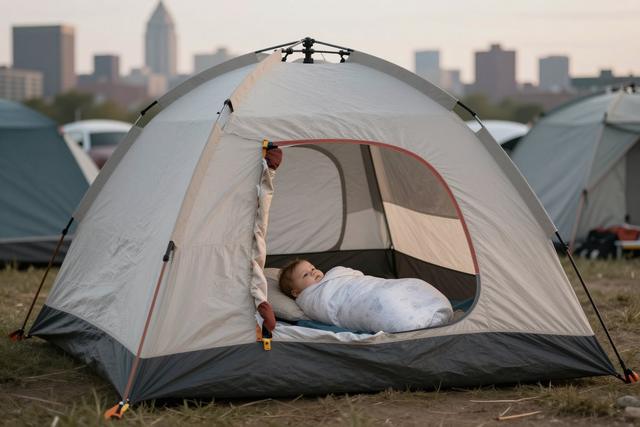
A baby was discovered living in a tent at a homeless encampment in Montreal this September, turning the site into a focal point of the provincial election campaign. The finding drew immediate attention from Quebec’s political candidates, who have begun to cite the infant’s presence as evidence of the dire conditions faced by people living on the streets.
Residents of the encampment, however, stress that their primary concern remains day‑to‑day survival rather than the upcoming premier race. They describe the need for basic shelter, food, and safety as outweighing any political debate, emphasizing that the baby’s situation is a symptom of a broader crisis that affects every person on the site.
Provincial election candidates have started to reference the tent and the infant in public statements, using the image to highlight shortcomings in the province’s homelessness policies. While each campaign seeks to position itself as the answer to the problem, the encampment’s inhabitants continue to focus on immediate needs, such as securing a warm place to sleep and accessing essential services.
The Montreal encampment has risen to prominence as a political issue as the Quebec election intensifies. The discovery of the baby has amplified existing discussions about housing shortages, social assistance, and the adequacy of municipal support for people without permanent homes. Officials and community groups are now under increased pressure to address the conditions that allowed a child to be born and live in a makeshift shelter.
As the election draws nearer, the baby’s presence serves as a stark reminder of the human impact behind policy debates. The encampment’s residents remain focused on navigating the challenges of life on the streets, while political leaders contend with the growing scrutiny of their plans to tackle homelessness across the province.