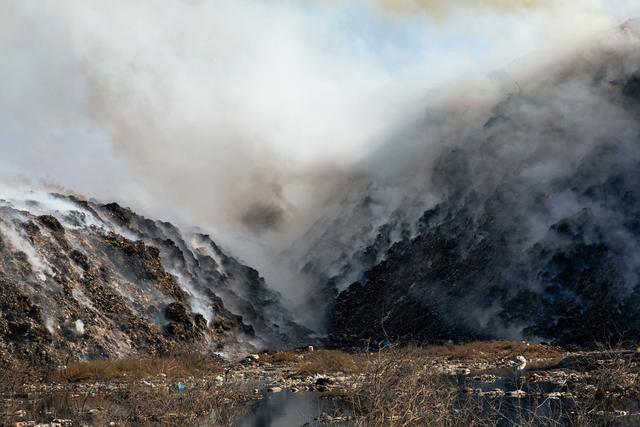
On August 16, 2026, residents of Blainville, a suburb north of Montreal, gathered to demonstrate against a proposed expansion of a hazardous waste landfill operated by the U.S.-based company Stablex. The protest focused on the company’s plan to enlarge the site that already sits close to residential neighbourhoods, with participants voicing fears of increased exposure to toxic chemicals.
Stablex runs a hazardous waste landfill near Blainville and has submitted a proposal to increase its capacity. The company, owned by interests in the United States, argues that the expansion is part of its operational growth strategy. Local opposition grew after the proposal was made public, prompting a group of residents to organize a demonstration on the day the expansion plan was slated for consideration.
Protesters cited the landfill’s proximity to homes as a primary concern, emphasizing that the site’s location could place the community at risk should contaminants escape containment. They also expressed unease about the potential health implications of a larger volume of hazardous material being stored nearby. The demonstration took place near the landfill’s perimeter, where residents assembled to make their objections known.
The event reflects broader tension between industrial waste management operations and surrounding communities in the region. While Stablex maintains that its facility complies with regulatory standards, the Blainville protest underscores the challenges faced when a foreign-owned enterprise seeks to modify an existing waste site that lies within a densely populated area. Local officials have been asked to review the expansion proposal in light of the community’s concerns.
As the debate continues, the outcome of the proposal will determine whether the landfill’s footprint will be enlarged, potentially altering the environmental landscape of the Blainville area and affecting the daily lives of its residents.