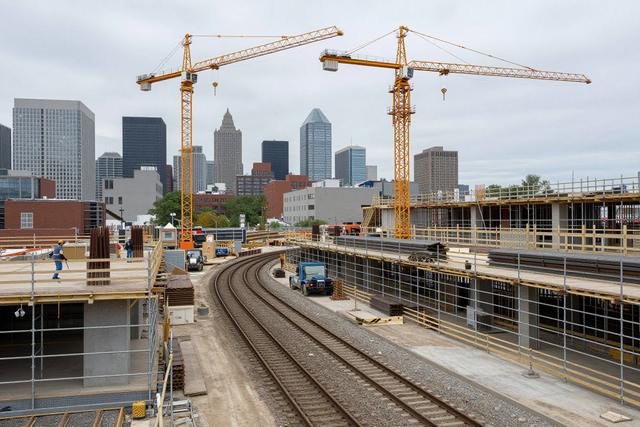
CDPQ Infra launched the planning phase on June 16, 2026 for two additional stations on Montreal’s REM rapid‑transit network, targeting the Griffintown and Bridge‑Bonaventure districts. The initiative aims to extend the system’s reach and improve connectivity across the city, with construction slated for completion by 2030.
The two stations will be added to the existing REM corridor that already serves a growing number of neighborhoods. By situating the new stops in Griffintown, a rapidly developing area near the downtown core, and Bridge‑Bonaventure, a district positioned along the waterfront, the project seeks to link residential, commercial and cultural zones more directly to the rapid‑transit line.
CDPQ Infra, the private‑sector entity responsible for building and operating the REM, indicated that the planning stage will involve detailed design work, environmental assessments and coordination with municipal authorities. While the precise timelines for each construction milestone have not been disclosed, the overall target remains a 2030 opening for both stations.
The expansion forms part of a broader effort to enhance Montreal’s public‑transport infrastructure. Since its debut, the REM has been promoted as a backbone for faster, more reliable travel across the island, and the addition of these two stations reflects the system’s continued growth. The project aligns with the city’s objectives to reduce reliance on cars, support sustainable mobility and accommodate the expected rise in ridership as new neighborhoods develop.
Stakeholders anticipate that the new stations will provide residents and workers in Griffintown and Bridge‑Bonaventure with quicker access to the wider REM network, facilitating easier commutes to downtown, the airport and other key destinations. The planning launch marks the next step toward realizing these connectivity improvements, with CDPQ Infra committing to deliver the stations within the four‑year horizon set for 2030.
As the planning progresses, updates will be provided on design choices, construction timelines and any impacts on surrounding communities, ensuring transparency throughout the development process.