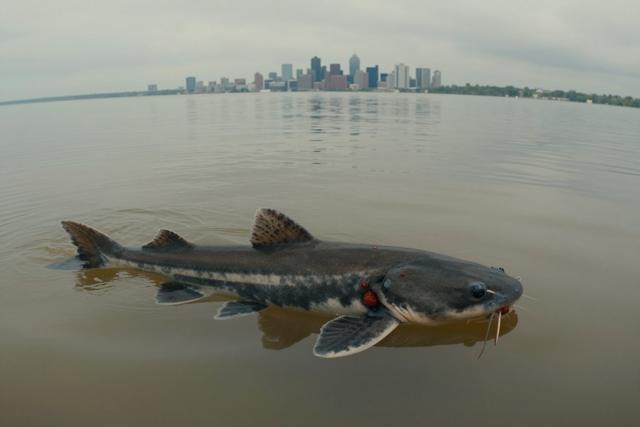
A genetic investigation has revealed that melanoma skin‑cancer tumors are moving between catfish inhabiting lakes across Quebec and the northeastern United States. The study, released on July 22, 2026, marks the first documented case of a transmissible melanoma in a fish species and expands the known range of rare contagious cancers.
Researchers examined tumor samples from catfish collected in multiple freshwater bodies spanning the two regions. Genetic analysis showed a close match among the melanoma cells, indicating that the cancerous tissue is being passed from one individual to another rather than arising independently in each fish. The findings suggest that the disease is spreading through direct contact or environmental exposure within the lake ecosystems.
Melanoma, a form of skin cancer, is typically considered non‑communicable in both humans and wildlife. Instances of transmissible cancers are extremely uncommon, with only a handful of documented cases such as the Tasmanian devil facial tumor disease and certain bivalve cancers. The discovery of a contagious melanoma in catfish therefore challenges existing assumptions about the limits of cancer transmission across species.
The affected lakes span a broad geographic area, linking water bodies in southern Quebec with those in the northeastern United States. While the study does not detail the precise mechanisms of spread, the genetic uniformity of the tumors points to a shared pathway that enables the cancer to move between individual fish. Scientists emphasize that the observation does not imply an immediate threat to human health, but it raises questions about the ecological impact on catfish populations and the potential for similar phenomena in other aquatic species.
Further research is planned to determine the prevalence of the disease, identify factors that facilitate its transmission, and assess any long‑term effects on lake ecosystems. The discovery underscores the importance of monitoring wildlife for unusual disease patterns, especially those that deviate from typical cancer behavior.
The study adds a new dimension to the understanding of cancer biology, highlighting that even cancers long regarded as isolated to individual hosts can, under certain conditions, become contagious across wildlife communities.