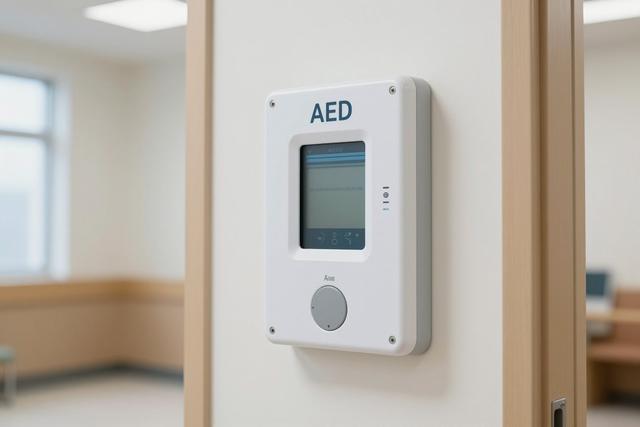
On June 17, 2026, Quebec coroner Julie‑Kim Godin released a report urging provincial authorities to make automated external defibrillators mandatory in care facilities that serve high‑risk patients. The recommendation follows a fatal cardiac arrest at a Montreal intermediate‑care centre last year, where the absence of an AED contributed to the death of a resident.
The incident involved a single patient who suffered a sudden cardiac event and could not be resuscitated because the facility did not have an AED on hand. The coroner’s investigation concluded that the lack of the device directly led to the fatal outcome.
Godin’s report calls on the Quebec government to adopt a province‑wide policy that would require the installation and maintenance of AEDs in any institution that cares for individuals with elevated health risks, such as intermediate‑care centres, nursing homes, and similar settings. The recommendation also stresses the need for staff training to ensure proper use of the equipment in emergencies.
Provincial officials have not yet responded publicly to the coroner’s findings. The report, however, places pressure on health regulators to review current safety standards and to consider legislative or regulatory changes that would address the identified gap.
The case highlights a broader concern about emergency preparedness in health‑care environments that serve vulnerable populations. By mandating AEDs, officials could provide a rapid response tool that may improve survival odds in future cardiac events.