The Quebec coroner's office has concluded that the death of a 71‑year‑old man experiencing homelessness in Montreal was preceded by the denial of an urgent housing request made by his social worker. The man died on September 25, 2026, roughly two weeks after the request was turned down.
According to the coroner’s report, the social worker had submitted a request for emergency accommodation for the senior, citing an immediate need for safe shelter. The request was rejected by the agency responsible for allocating emergency housing, leaving the man without a stable place to stay during the critical period. The coroner noted that the timing of the denial and the subsequent death were closely linked.
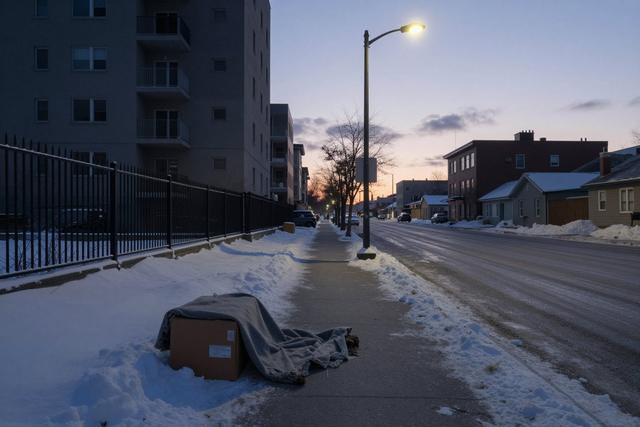
The 71‑year‑old man had been living without permanent shelter for an extended period and depended on intermittent assistance from community services. With no alternative accommodation available, the denial left him exposed to the harsh winter conditions that often affect Montreal’s streets.
In response to the findings, the coroner recommended a series of changes to the province’s emergency housing system. The recommendations include faster processing of urgent requests, clearer criteria for prioritising seniors, and stronger oversight to ensure that refusals are reviewed promptly. The coroner also called for improved coordination between social workers and housing officials to prevent similar outcomes.
The case highlights ongoing challenges in Montreal’s emergency housing network, especially for older adults who are homeless. Advocates have long warned that limited capacity and bureaucratic delays can leave vulnerable seniors exposed to health risks. The coroner’s recommendations aim to address those systemic gaps, but implementation will depend on provincial and municipal authorities.