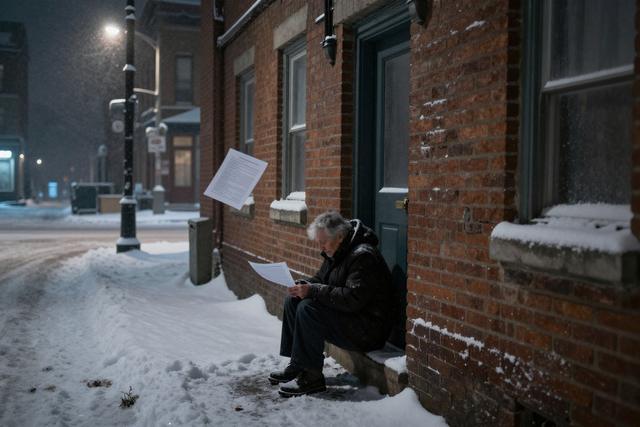
Quebec’s chief coroner has determined that the death of a 71-year-old man who was living on the streets of Montreal was directly linked to the refusal of an urgent request for emergency housing. The coroner’s report, released on Friday, notes that the man died shortly after the housing application was turned down, and that the decision was made with little explanation provided to the applicant or his social worker.
According to the findings, the homeless senior had approached city officials for immediate shelter two weeks before his death. When the request was denied, he remained without stable accommodation. The coroner’s investigation, which included testimony from the man’s social worker, concluded that the lack of emergency housing contributed significantly to the circumstances that led to his fatal outcome.
In response to the case, the coroner has called for changes to the province’s housing allocation policies. Recommendations include clearer criteria for emergency placements, faster processing of urgent applications, and better communication of decisions to both applicants and their support workers. The coroner emphasized that timely access to shelter can be a matter of life and death for vulnerable individuals.
The incident adds to a broader pattern of difficulty in securing short‑term shelter for homeless residents of Montreal. City officials have previously reported a shortage of emergency beds and a backlog of applications, factors that have been cited in other recent cases involving homeless individuals. While the coroner’s report does not assign legal blame, it underscores the need for systemic adjustments to prevent similar outcomes in the future.
The 71-year-old man’s death, occurring after a two‑week interval between the denied request and his passing, serves as a recent example of the challenges faced by Montreal’s homeless population in obtaining rapid assistance. The coroner’s recommendations are expected to be reviewed by provincial health and social services agencies in the coming weeks.