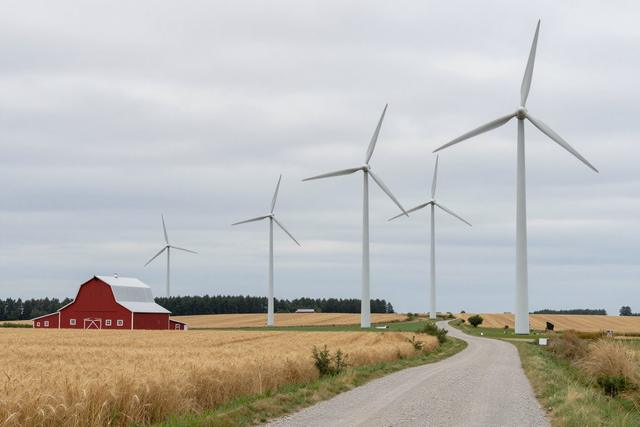
Farmers in Quebec’s Montérégie region have voiced opposition to a proposed 100‑megawatt wind power project, citing concerns that the installation of turbines could interfere with agricultural land. The municipality behind the plan has put forward the development as part of the province’s broader effort to increase renewable energy capacity, which includes placing wind farms in areas that overlap with farmland.
The project, sized at 100 MW, would involve erecting multiple wind turbines across fields currently used for farming. Local producers argue that the presence of these structures could disrupt planting and harvesting activities, reduce usable land area, and potentially affect the economic viability of their operations. Their objections focus on the direct impact to the farmland rather than on broader environmental considerations.
Officials from the municipality have indicated that the wind farm is intended to contribute to Quebec’s renewable energy targets, which aim to diversify the province’s power supply and reduce reliance on fossil fuels. The proposal aligns with recent provincial initiatives that encourage the development of wind resources, even in regions where agriculture is a primary land use.
While the municipality stresses the long‑term benefits of clean energy generation, the farming community remains cautious, emphasizing the need to protect productive agricultural land. No specific timeline for construction has been disclosed, and discussions between the municipality and the farmers are ongoing as the proposal moves through the regulatory process.
The dispute reflects a recurring tension in Quebec between expanding renewable infrastructure and preserving the integrity of agricultural zones. As the province continues to pursue higher renewable capacity, the outcome of the Montérégie case may influence how future projects are planned in similar rural settings.