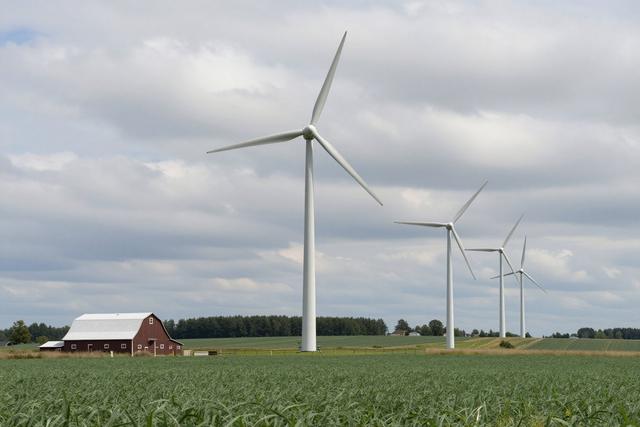
Montérégie, Quebec – On June 28, 2026, a municipal authority announced plans for a 100‑megawatt renewable‑energy development that would place wind turbines on farmland across the region. Local farmers quickly voiced apprehension, arguing that the installations could disrupt agricultural use and alter the rural landscape they rely on.
The proposal envisions a series of turbines capable of generating enough electricity to power thousands of homes, aligning with Quebec’s broader strategy to expand renewable‑energy capacity. While officials emphasize the environmental benefits of clean power, the farming community stresses that the placement of large structures on cultivated fields may interfere with crop production, livestock movement, and long‑standing land‑use patterns.
Farmers in Montérégie have highlighted the potential for wind farms to create shadows, increase noise levels, and impose maintenance restrictions that could limit access to fields during critical planting and harvest periods. They also worry about the visual impact on a region known for its open, agricultural scenery, fearing that the presence of towering turbines could diminish the character of the countryside.
Municipal representatives have responded that the project will undergo environmental and land‑use assessments before any construction begins. They note that the design includes setbacks intended to protect farming activities and that compensation mechanisms are being considered for landowners who agree to host turbines.
The debate reflects a wider provincial tension as Quebec pushes forward with ambitious clean‑energy targets while rural areas grapple with the implications of large‑scale infrastructure on traditional livelihoods. Stakeholders from both sides are expected to continue discussions through public hearings and consultation sessions scheduled in the coming weeks.
If the project proceeds, it would contribute a significant 100‑megawatt boost to the province’s renewable portfolio, yet the outcome will hinge on how effectively municipal planners balance energy goals with the preservation of agricultural land and the concerns of Montérégie's farming community.