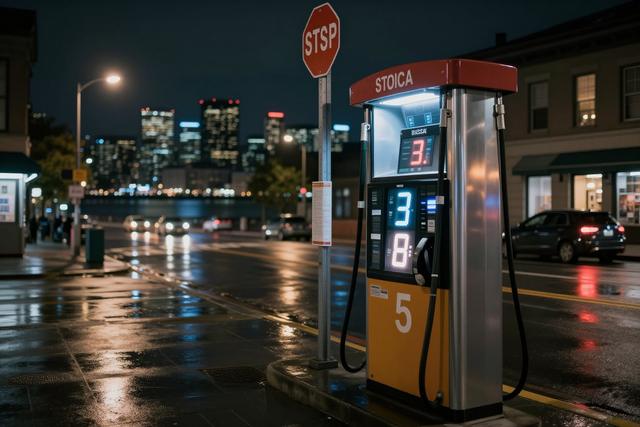
On Thursday, September 17, 2026, the average price of gasoline at Montreal pumps climbed to $2.07 per litre, marking a 3.5 percent rise in a single day. The increase was recorded across the city’s retail stations and represents the most pronounced daily jump in recent months.
The surge aligns with a wave of higher fuel costs seen in other Canadian urban centres, a pattern analysts attribute to escalating geopolitical tensions worldwide. Conflicts affecting major oil‑producing regions have tightened global supply chains, prompting a rise in crude oil prices that reverberates through to the retail market.
Industry observers note that the current geopolitical climate has disrupted traditional shipping routes and placed pressure on oil output, factors that collectively contribute to the upward movement in wholesale fuel prices. Those higher wholesale costs are subsequently reflected in the price motorists pay at the pump, as seen in Montreal’s latest figures.
The immediate effect of the $2.07 per litre price point is a higher out‑of‑pocket expense for drivers throughout the city. Residents who rely on personal vehicles for commuting, deliveries, and other daily activities will experience a noticeable increase in fuel expenditures. While the price change is measured on a daily basis, the broader trend suggests that consumers may need to adjust budgeting for transportation costs as the geopolitical situation continues to influence global energy markets.