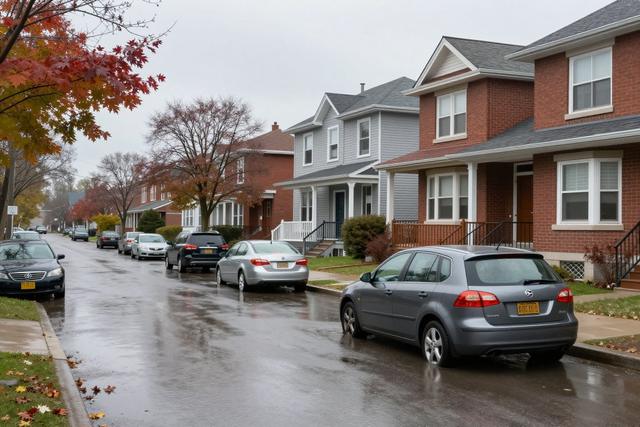
Intense rainstorms that swept the Montreal region from June 20 to June 22, 2026 caused widespread flooding on the city’s west side and the South Shore. The deluge damaged hundreds of residential properties, prompting a surge of complaints from homeowners who hold the municipal authorities responsible for the damage.
The rainfall, described by meteorologists as diluvian, overwhelmed drainage systems and caused water to rise rapidly in streets and basements across the affected neighborhoods. Residents reported water entering living spaces, destroying personal belongings and rendering many homes uninhabitable until repairs could be made.
Local officials acknowledged the severity of the event but emphasized that responsibility for the flooding is shared. Municipal representatives pointed to the scale of the storm, the age of infrastructure, and the role of private property owners in maintaining flood‑prone areas. They indicated that the city is working with provincial partners to assess the damage and coordinate relief efforts.
Homeowners, however, expressed frustration with what they see as inadequate preparation and response. Many cited recurring drainage problems and called for more investment in storm‑water management to prevent similar incidents in the future. The disagreement over accountability has sparked a broader conversation about the region’s capacity to handle extreme weather events.
The flooding follows a pattern of increasingly severe precipitation events across Quebec, raising concerns about the resilience of existing urban infrastructure. While the immediate focus remains on restoring affected households, municipal authorities have pledged to review flood‑risk assessments and explore upgrades to the drainage network. The situation underscores the challenges faced by the city and surrounding communities as they adapt to changing climate conditions.