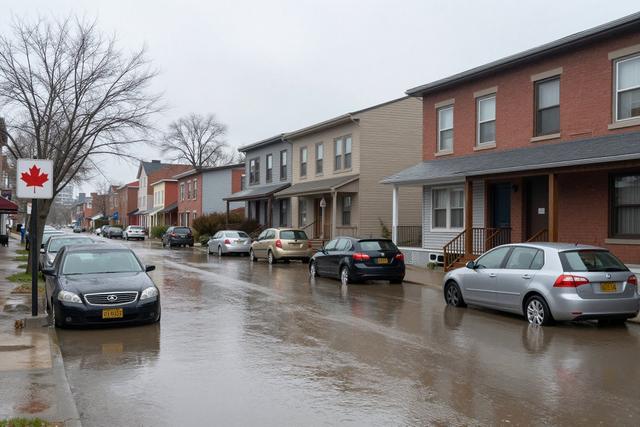
On June 21, 2026, torrential rain swept across the Greater Montreal area, overwhelming local drainage systems and leaving several hundred residences flooded. The sudden deluge forced residents to contend with water intrusion in basements, ground‑floor rooms and personal belongings, marking one of the most extensive urban flood events in the region this year.
The heavy precipitation exceeded the capacity of municipal storm‑water infrastructure, causing water to accumulate faster than it could be diverted or absorbed. As a result, neighborhoods throughout Greater Montreal experienced rapid rise in water levels, prompting emergency responders to assist homeowners in evacuating belongings and mitigating damage.
While the immediate impact was felt by the affected households, the incident also underscores a broader financial trend. Data on flood‑related insurance claims in Quebec show that average costs have risen dramatically, climbing 127.7% between 2014 and 2024. This increase means that the typical claim now exceeds double the amount recorded a decade ago, reflecting the growing economic burden of extreme weather events on homeowners and insurers alike.
The surge in claim costs aligns with a pattern of more frequent and intense rainfall across the province, a situation experts attribute to shifting climate dynamics. Although the current flood event has not yet been quantified in terms of total financial loss, the historical rise in claim values suggests that the economic repercussions could be substantial for those whose homes were inundated.
Authorities continue to assess the extent of the damage and to evaluate the performance of the city's drainage network under extreme conditions. Residents whose properties were affected are advised to document losses and to file insurance claims promptly, as insurers grapple with the escalating costs associated with such weather‑related incidents.
The June 21 floods serve as a reminder of the challenges that increasingly severe precipitation poses for urban areas, highlighting the need for infrastructure adaptation and preparedness measures to mitigate future flooding risks.