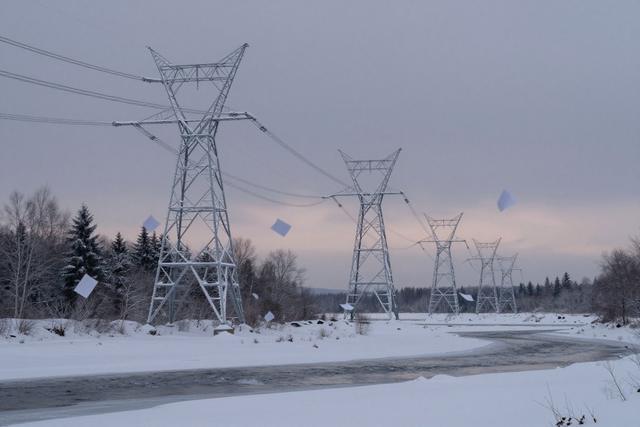
Hydro‑Québec and a group of New England partners have launched lawsuits against each other, each seeking $40 million in damages tied to forced power service interruptions that occurred during a polar vortex that swept the region from January 26 to February 9, 2026.
The severe winter storm drove electricity demand to record levels across both Quebec and the New England states. To protect the grid, Hydro‑Québec and its U.S. counterparts implemented service cuts, a measure that left thousands of customers without power for periods during the storm’s peak. The interruptions have become the basis for the legal conflict, with each side blaming the other for the financial losses incurred.
Hydro‑Québec’s filing argues that the New England partners failed to honor contractual obligations that would have shared the load and mitigated the need for widespread outages. In response, the U.S. entities contend that the Canadian utility’s own operational decisions forced the service reductions, causing revenue shortfalls and additional costs that they now seek to recover.
Both parties cite the $40 million figure as a representation of the estimated damages linked to lost electricity sales, compensation to affected customers, and other related expenses. The lawsuits were filed shortly after the storm ended, as the entities moved to resolve the financial fallout from the forced cuts.
The dispute highlights the challenges of cross‑border electricity coordination during extreme weather events. While the legal battle proceeds, utilities on both sides of the border are reviewing emergency response protocols to better manage future peak‑demand scenarios without resorting to service interruptions that could trigger similar litigation.
The outcome of the lawsuits could set precedent for how power providers allocate responsibility and costs when extreme weather forces emergency measures that affect multiple jurisdictions.