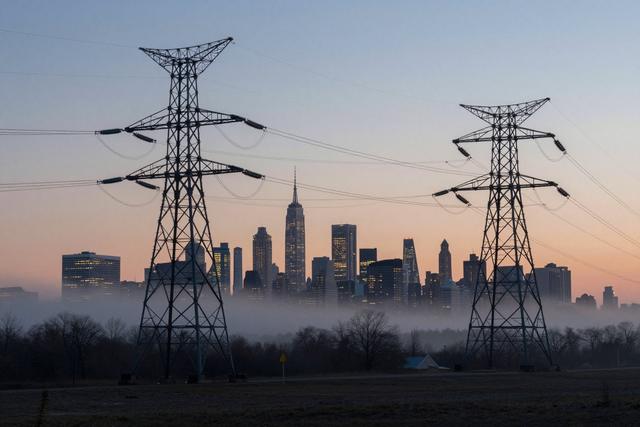
Hydro-Québec started delivering electricity to New York City on June 18, 2026 under a long‑term contract, marking the first export of power from the province to the U.S. metropolis. The move comes as the utility seeks to diversify its market reach, but it coincides with a period of heightened domestic demand and water reservoir levels that are below the seasonal average.
The contract, which will see Quebec’s hydroelectric generation flow across the border, is intended to provide a reliable source of clean energy to New York’s grid. While the details of the agreement have not been disclosed, the initiation of shipments signals a new phase in cross‑border energy trade between the two regions.
Critics have voiced concerns that the timing of the export is questionable. They argue that Quebec’s electricity system is already under strain from increasing consumption by households and industry within the province. At the same time, the water reservoirs that feed the hydroelectric plants are reporting levels that fall short of typical summer averages, limiting the margin of surplus generation that can be safely allocated to external markets.
Hydro‑Québec officials acknowledge the challenges posed by the current reservoir conditions but maintain that the province retains sufficient capacity to meet both local needs and the obligations of the New York contract. They point to the flexibility of the hydro system, which can adjust output based on real‑time demand and water availability.
The broader context reflects a shifting energy landscape in Quebec, where climate variations have contributed to fluctuating water storage, and economic growth has driven higher electricity consumption. Observers note that the decision to export power will be closely watched as an indicator of how the province balances export ambitions with the imperative to secure reliable service for its own residents during periods of limited water resources.