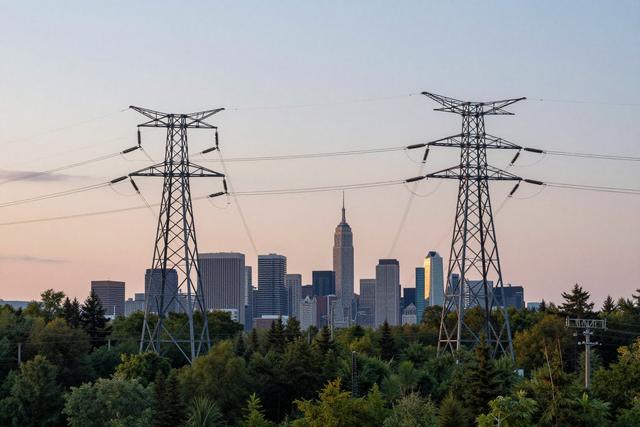
Hydro‑Québec began delivering electricity to New York City in June 2026, marking the start of a long‑term export arrangement between the Canadian utility and the U.S. metropolis. The agreement allows power generated by Quebec’s extensive hydro‑electric network to be transmitted across the border to meet part of New York’s energy needs.
The contract, negotiated over several years, sets out a continuous supply of electricity that will be routed through existing transmission corridors linking the two regions. The start of deliveries follows the completion of the necessary interconnection infrastructure and the scheduling of power flows according to the terms of the agreement.
Critics have voiced concern that the timing of the deal coincides with a period of increasing electricity consumption within Quebec and unusually low water levels in the province’s reservoirs. They argue that exporting power while local demand rises could strain the system that supplies homes and businesses across the province.
Quebec’s hydro‑electric system is currently under pressure from higher usage and reduced water storage. The province relies heavily on reservoir levels to generate consistent output, and recent assessments indicate that water reserves are below typical seasonal averages. These conditions have prompted debate over the balance between meeting external contracts and ensuring sufficient supply for domestic customers.
Hydro‑Québec officials have indicated that the export arrangement is part of a broader strategy to diversify revenue and strengthen cross‑border energy cooperation. The company maintains that the contract includes safeguards to protect Quebec’s supply security, even as it navigates the challenges posed by the present reservoir situation.