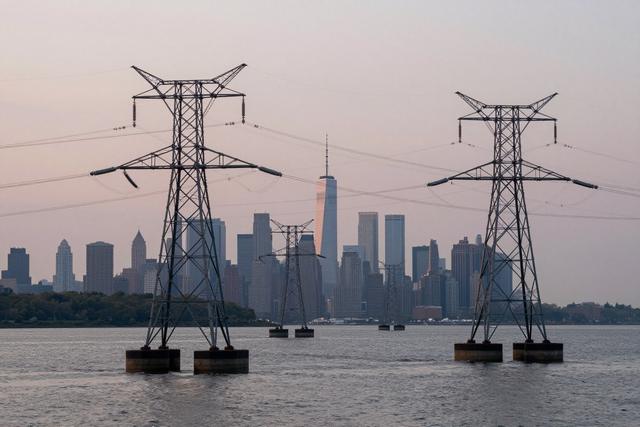
Hydro‑Québec started delivering electricity to New York City in June 2026 under a newly signed long‑term contract. The cross‑border arrangement marks the first time the provincial utility is exporting power on a sustained basis to the United States, according to the company’s announcement.
The agreement was finalized as Quebec faces a dual challenge of rising domestic electricity demand and unusually low water levels in its hydroelectric reservoirs. The province’s water‑based generation system, which supplies the majority of its power, is under pressure from these conditions. Critics have pointed to the timing of the export deal, arguing that sending electricity abroad while local supply is constrained could exacerbate shortages at home.
Hydro‑Québec, the primary electricity provider for the province, said the contract will help diversify its revenue streams and strengthen ties with a major U.S. market. The utility did not disclose the volume of power to be transferred, but the deal is described as a long‑term commitment, suggesting a multi‑year supply arrangement.
The move comes amid broader discussions about North American energy interdependence and the role of Canadian hydroelectric resources in supporting U.S. grids. While the export is intended to meet New York City’s demand for reliable, low‑carbon electricity, it also highlights the balancing act Quebec must perform between meeting its own consumption needs and pursuing export opportunities.
Stakeholders in Quebec have expressed concern that the province’s reservoirs, which have been below average levels for several months, may not sustain both domestic consumption and export commitments without additional water inflows or alternative generation sources. The situation underscores the importance of monitoring reservoir conditions as the export program unfolds.
Hydro‑Québec’s decision to proceed with the New York City supply reflects its strategic aim to expand market reach, even as it navigates internal supply constraints and public scrutiny over the timing of the cross‑border power trade.