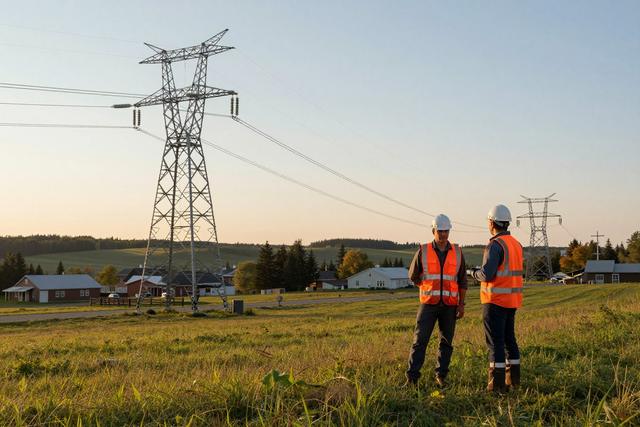
Hydro-Québec announced a plan to create 35,000 paid positions in communities outside Quebec’s major urban centres by the year 2035. The initiative aims to expand employment opportunities in the province’s smaller towns and rural areas, where job growth has lagged behind that of larger cities.
The company’s target reflects a broader strategy to decentralise its workforce and support local economies across the province. By focusing hiring efforts on smaller municipalities, Hydro-Québec hopes to stimulate economic activity and retain talent in regions that have traditionally seen out‑migration to Montreal, Quebec City and other metropolitan hubs.
Government officials have welcomed the proposal, noting that the influx of jobs could help rebalance the province’s demographic profile. One senior official, identified as Drainville, called for the Quebec government to intensify its promotion of life in regional areas. Drainville argued that without a coordinated effort to showcase the benefits of rural living, the new positions might not translate into lasting community growth.
The call for stronger marketing of regional life comes as the province grapples with challenges such as housing shortages in the largest cities and a perceived decline in services in outlying towns. By linking the creation of 35,000 jobs with a public‑policy push to highlight the advantages of smaller‑community living, officials hope to encourage both new hires and existing residents to consider staying or relocating to these areas.
Hydro-Québec has not released a detailed timetable for the hiring rollout, but the 2035 deadline sets a clear long‑term horizon for the effort. The company’s commitment adds a significant private‑sector component to the province’s broader economic development plans, which include infrastructure upgrades and incentives for businesses that locate outside the major urban corridors.
If the target is met, the province could see a notable shift in employment patterns, with more workers commuting within or moving to regional centres. The success of the plan will likely depend on how effectively the government can pair job creation with initiatives that make rural life attractive and sustainable for families and individuals alike.