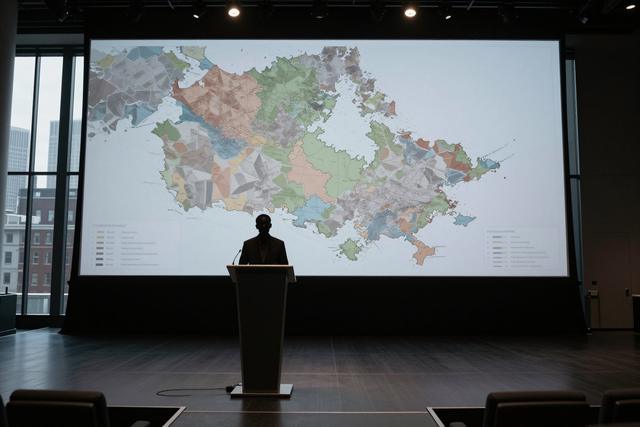
On July 30, 2026, Charles Milliard, leader of the Quebec Liberal Party, introduced a new economic plan aimed at deepening economic ties within Canada and forging additional trade partnerships. The announcement, made in Quebec, comes as the party readies its platform for the provincial election slated for later in 2026.
Milliard’s proposal emphasizes a strategy of stronger interprovincial collaboration, seeking to enhance the flow of goods and services across provincial borders. It also outlines intentions to pursue fresh trade agreements that would expand Quebec’s market access beyond its current partners. By focusing on these two pillars—internal cohesion and external outreach—the Liberal Party hopes to present a forward‑looking economic vision to voters.
The timing of the plan’s release aligns with the party’s broader campaign preparations. As the election approaches, the Liberals are outlining key policy areas to differentiate themselves from rivals. The economic plan is positioned as a central component of that effort, intended to signal the party’s commitment to growth and competitiveness.
While specific details of the trade partnerships have not been disclosed, the emphasis on new agreements suggests a willingness to explore opportunities with both domestic and international actors. The plan’s focus on stronger ties within Canada reflects a broader political narrative that values national unity and shared prosperity.
Political analysts note that the unveiling of a comprehensive economic blueprint is a common step for parties seeking to shape the electoral discourse. By presenting the plan now, the Liberal Party aims to set the agenda early in the campaign cycle, giving voters a clear sense of its economic priorities.
The announcement marks a significant moment for the Quebec Liberal Party as it moves from policy development to public presentation, positioning the new economic plan as a cornerstone of its upcoming election campaign.