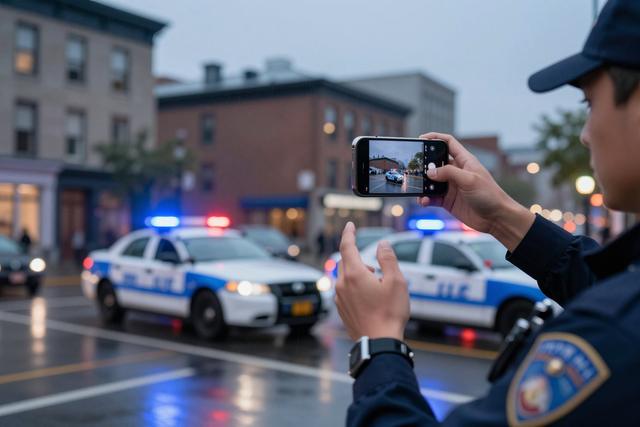
In June 2026, a young man was charged with criminal defamation after he recorded himself shouting misogynistic insults at a Service de police de la Ville de Montréal (SPVM) officer during a traffic stop in Montreal.
The incident occurred when the officer pulled the driver over as part of a routine traffic enforcement operation. While the stop was in progress, the man used a mobile device to film himself directing the offensive language toward the officer. The video captured the insults and was later presented to investigators as part of the case file.
Following a review of the footage, police officials filed criminal defamation charges against the individual. The charge reflects Quebec’s legal provisions that permit criminal prosecution when a person publicly insults a police officer. The young man now faces the legal process associated with those charges, which could result in penalties prescribed under the province’s criminal defamation statutes.
Quebec law distinguishes defamation that is criminal when it targets public officials, including members of the police force. The legislation is intended to protect the reputation and authority of law‑enforcement officers by criminalising public insults that may undermine their role. In this case, the recorded insults were deemed to fall within the scope of that provision, prompting the decision to pursue a criminal charge rather than a civil remedy.
The case underscores the application of Quebec’s defamation statutes in situations involving police interactions. Authorities have indicated that similar incidents may be subject to the same legal treatment, reinforcing the province’s stance on preserving respect for law‑enforcement personnel during public encounters.
The young man’s legal team has not released a comment, and the matter remains pending before the courts. The outcome will clarify how the criminal defamation framework is applied in future incidents involving recorded insults directed at police officers.
The incident adds to ongoing discussions about the balance between freedom of expression and the protection of public officials under Quebec law.