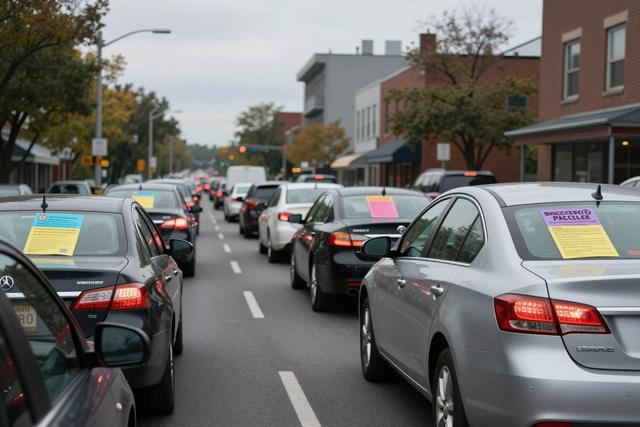
On June 27, 2026, the municipal government of Mercier formally submitted a petition to the Quebec government requesting intervention to alleviate the persistent traffic congestion on Route 138. The filing cites the longstanding gridlock that has become a daily obstacle for commuters traveling along the South Shore corridor.
The petition highlights the frustration expressed by Mercier residents over several years of chronic delays on the highway. According to the city, the heavy traffic on Route 138 hampers routine travel and contributes to longer commute times for those moving between Montreal’s South Shore communities and the broader metropolitan area.
Officials from Mercier describe Route 138 as a principal thoroughfare for the region, noting that its capacity has been repeatedly strained by the volume of vehicles it carries. The municipal government argues that the current level of congestion exceeds the road’s design capabilities and that without provincial assistance, the situation is unlikely to improve.
The appeal to the Quebec government seeks concrete measures to address the bottleneck, though the petition does not specify particular solutions. By bringing the issue to the provincial level, the city hopes to prompt a coordinated response that could involve infrastructure upgrades, traffic management strategies, or other interventions deemed appropriate by provincial authorities.
The city’s action follows a period of growing discontent among local commuters, who have reported that the traffic jams on Route 138 have become a regular feature of daily life. While the petition marks a formal step toward seeking relief, officials indicated that continued dialogue with the province will be essential to developing a viable plan.
The petition represents Mercier’s effort to secure provincial support for a problem that has affected the South Shore’s transportation network for an extended period. The city remains focused on achieving a resolution that restores smoother travel conditions for its residents and the broader commuting public.