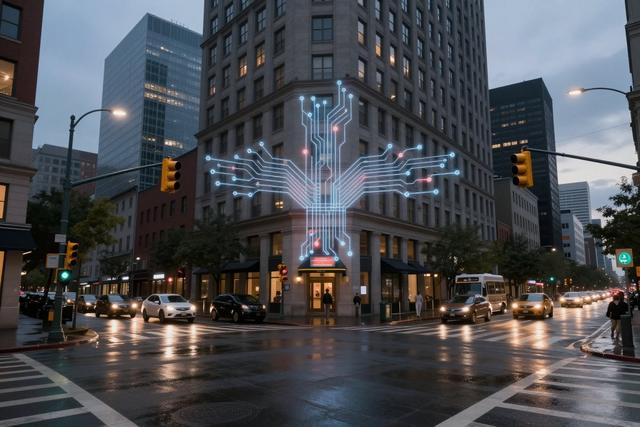
Miovision announced on Wednesday, July 15, 2026, that it plans to use artificial intelligence to synchronize traffic signals throughout Montreal in an effort to ease the city’s chronic congestion. The proposal, presented at 11:30 a.m. Eastern Daylight Time, outlines a system that would allow traffic lights to communicate and adjust in real time based on vehicle flow, aiming to smooth traffic movement across the urban network.
The AI‑based approach would replace the existing fixed‑time or manually programmed signal patterns with a dynamic model that reacts to changing conditions on the road. By coordinating lights along major corridors, the system intends to reduce stop‑and‑go situations that contribute to lengthy travel times for drivers and increased emissions from idling vehicles.
Montreal has long grappled with persistent traffic jams that affect commuters, commercial transport and public transit reliability. The city’s road network, characterized by a mix of historic streets and modern arteries, often experiences bottlenecks during peak periods. Miovision’s proposal seeks to address these challenges by leveraging data collected from sensors and cameras at intersections, feeding it into machine‑learning algorithms that predict traffic volumes and adjust signal timings accordingly.
The initiative is part of a broader interest in applying smart‑city technologies to improve urban mobility. While specific implementation timelines and funding details were not disclosed, Miovision indicated that the AI system could be integrated with existing infrastructure, reducing the need for extensive hardware upgrades. The company emphasized that the technology would be scalable, allowing gradual rollout across neighborhoods based on traffic demand.
If adopted, the AI‑driven coordination could represent a significant step toward modernizing Montreal’s traffic management. City officials have previously highlighted the need for innovative solutions to combat congestion, and the proposal aligns with those objectives. The next steps involve reviewing the technical plan, assessing compatibility with municipal traffic control centers, and determining any regulatory or safety considerations before moving forward.