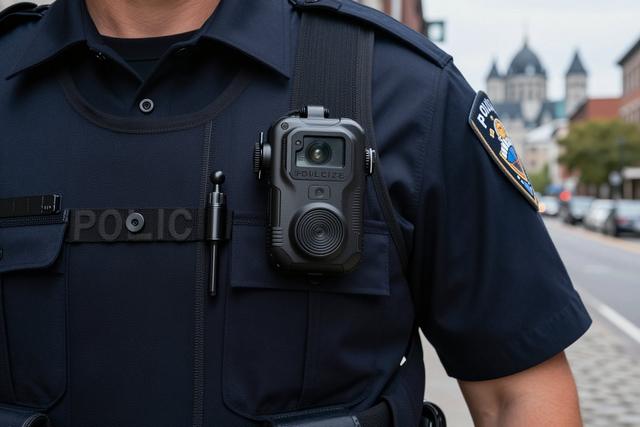
The City of Montreal announced on Sunday that it will set aside forty million dollars to purchase and install body‑worn cameras for its police force. The allocation, made public at 08:00 GMT, is intended to equip officers across the city with intervention cameras that record interactions with the public.
City officials confirmed that the funds will cover the cost of the devices themselves as well as the necessary infrastructure for storage and management of the recorded footage. The budgetary provision is part of a broader municipal effort to modernise police equipment and improve transparency in law‑enforcement activities.
Montreal Police representatives indicated that the new cameras will be rolled out following procurement procedures established by the city. While specific timelines for distribution and activation have not been disclosed, the financial commitment signals a clear move toward integrating body‑camera technology into routine policing.
The decision arrives amid ongoing discussions in several Canadian jurisdictions about the role of body‑worn cameras in accountability and public trust. By earmarking a substantial sum, Montreal joins other municipalities that have allocated resources for similar equipment, aiming to standardise recording practices and preserve evidence of police‑public encounters.
The city’s budgetary plan earmarks the full forty million dollars for the acquisition, installation, and maintenance of the camera systems. No additional details regarding the number of units to be purchased or the expected duration of the rollout were provided in the announcement.
Montreal’s investment reflects a municipal priority to enhance the tools available to law‑enforcement officers while addressing community concerns about oversight. The funding will be drawn from the city’s current fiscal allocations, ensuring that the procurement process can commence without delay.
The initiative underscores the city’s commitment to equip its police force with contemporary technology designed to document interventions and support both officers and citizens in the event of disputes or investigations.