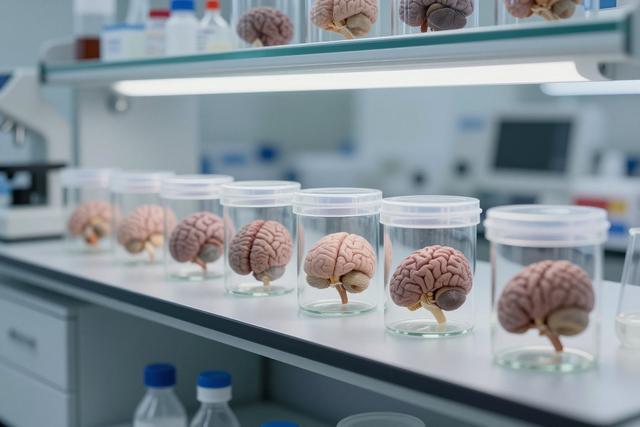
The Montreal Brain Bank, Canada’s largest repository of human brain tissue, announced on June 16, 2026 that it houses a collection of 3,800 preserved brains. The specimens are made available to scientists investigating Alzheimer’s disease, Parkinson’s disease, suicide and major depression, providing a critical resource for studies of neurodegenerative and psychiatric conditions.
Located in Montreal, Quebec, the bank’s holdings represent one of the most extensive assemblies of human brain tissue in the country. Researchers from universities, hospitals and private laboratories can request samples for a range of investigations, from molecular analyses to anatomical examinations. By offering access to a broad spectrum of brain disorders, the facility aims to accelerate the development of diagnostic tools and therapeutic strategies.
The collection was assembled over many years, with each brain donated by individuals or families who consented to post‑mortem research use. Preservation methods follow strict protocols to maintain tissue integrity for histological and genetic studies. The bank’s staff manage the cataloguing, storage and distribution of specimens, ensuring that each sample meets the standards required for high‑quality scientific work.
The focus on Alzheimer’s and Parkinson’s disease reflects the growing prevalence of these conditions in Canada’s aging population, while the inclusion of brains from individuals who died by suicide or suffered major depression underscores a commitment to understanding mental‑health disorders at a biological level. By supporting research across both neurodegenerative and psychiatric fields, the Montreal Brain Bank contributes to a more comprehensive picture of brain health.
Officials highlighted that the repository’s size and diversity enable collaborative projects that might otherwise be limited by sample scarcity. The bank continues to accept new donations, reinforcing its role as a national hub for brain research. As scientists probe the mechanisms underlying these illnesses, the 3,800 specimens stored in Montreal stand as a vital foundation for future breakthroughs.