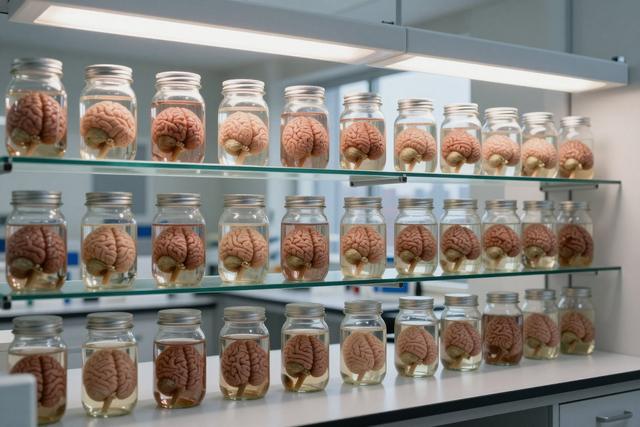
On June 16, 2026, the Montreal brain bank announced that its collection now contains 3,800 human brains. The repository, located in Montreal, Quebec, serves as a central resource for scientists studying a range of neurological and psychiatric disorders.
The bank is the largest brain collection in Canada. Researchers draw on the specimens to examine the biological underpinnings of conditions such as Alzheimer’s disease, Parkinson’s disease, suicide, and major depression. Each brain is catalogued and stored under protocols that preserve tissue integrity for detailed analysis.
By providing ready access to a broad array of samples, the facility enables investigations that span genetic, molecular, and cellular approaches. Studies using the collection aim to identify disease mechanisms, test potential therapies, and improve diagnostic markers. The availability of such a large and diverse set of brains reduces the time needed to locate suitable material for specific research questions.
The Montreal brain bank’s role extends beyond national boundaries. International collaborations frequently rely on the repository to supplement local collections, allowing comparative studies across populations. The bank also supports training for graduate students and post‑doctoral fellows who learn tissue handling and data management techniques essential for neuropathological research.
Overall, the 3,800‑specimen archive represents a critical infrastructure for advancing knowledge of neurodegenerative and psychiatric illnesses. Its scale and accessibility position it as a cornerstone of Canada’s effort to confront brain disorders through scientific inquiry.