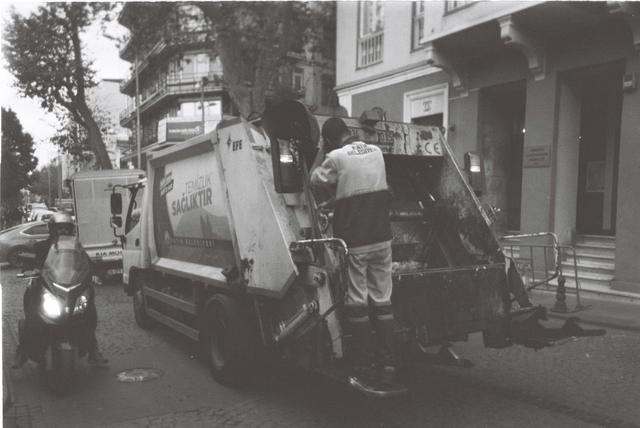
The City of Montreal announced on Friday that its biweekly residual waste collection program will be rolled out to four additional boroughs this fall. Starting in the autumn of 2026, households in Ahuntsic‑Cartierville, Villeray‑Saint‑Michel‑Parc‑Extension, Pierrefonds‑Roxboro and L’Île‑Bizard‑Sainte‑Geneviève will receive trash pickup every two weeks instead of the current weekly schedule.
The decision adds to the pilot that began in the Mercier–Hochelaga‑Maisonneuve borough, where the biweekly system sparked debate among residents and local officials.
City officials said the expansion follows the earlier trial and reflects the municipality’s broader effort to manage solid waste more efficiently.
Under the new arrangement, the city will collect residual waste—materials that are not recycled or composted—on a biweekly basis, while recyclables and organics will continue on their existing schedules.
The move comes after the Mercier–Hochelaga‑Maisonneuve experience highlighted both logistical challenges and public concern, prompting the city to refine the program before extending it.
Montreal’s waste‑management department indicated that the four boroughs were selected based on criteria such as population density and existing collection infrastructure, though specific metrics were not disclosed.
Residents of the newly included areas will receive notice of the schedule change in the coming months, and the city plans to monitor service levels throughout the first year of implementation.
The municipal waste‑management service confirmed that the biweekly schedule applies only to residual waste, while recycling and organic material collection will remain on their current weekly or semi‑weekly timetables. This separation is intended to keep material streams distinct.
City officials said they will track performance indicators such as collection reliability and household compliance throughout the first year in the new boroughs, using the data to inform any further adjustments to the city‑wide waste strategy.