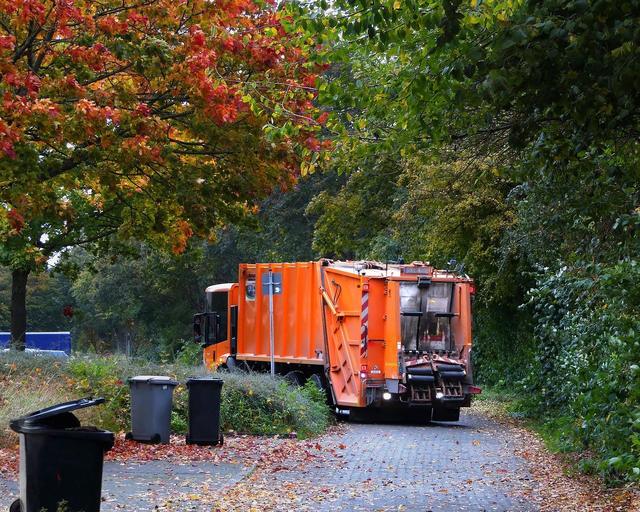
The City of Montreal announced that, beginning in the autumn of 2026, residual‑waste collection will shift to a biweekly schedule in four additional boroughs. The change will affect residents of Ahuntsic‑Cartierville, Villeray–Saint‑Michel–Parc‑Extension, Pierrefonds‑Roxboro and L’Île‑Bizard–Sainte‑Geneviève, adding them to the service model first tested in Mercier‑Hochelaga‑Maisonneuve.
Montreal’s waste‑management department explained that the expansion follows the earlier rollout of a biweekly residual‑waste pickup in the Mercier‑Hochelaga‑Maisonneuve borough. That pilot program generated public debate, with some residents questioning the reduced frequency while others noted potential benefits such as fewer truck trips and lower emissions.
The city’s decision to broaden the schedule reflects an effort to standardise waste collection across the island and to evaluate the outcomes of the initial trial. By aligning the service in the four new boroughs with the existing biweekly system, officials aim to create a uniform approach that can be assessed for cost efficiency, environmental impact and resident satisfaction.
Residents in the newly included areas will receive new collection calendars outlining the specific pickup days for their neighborhoods. The city has indicated that it will monitor the rollout closely, gathering feedback from households and adjusting routes as necessary. The move also coincides with broader municipal initiatives to optimise municipal services and reduce the carbon footprint of city operations.
While the biweekly model remains a point of discussion among Montrealers, the expansion marks a significant step in the city’s waste‑management strategy. The upcoming autumn implementation will be the first large‑scale application of the schedule beyond the original borough, providing a clearer picture of how the system functions across diverse communities.