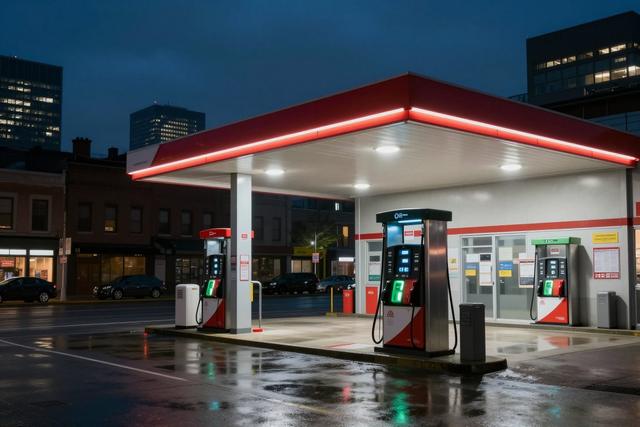
On September 17, 2026, average gasoline price in Montreal rose sharply to $2.07 per litre, representing a 3.5% increase over the previous reporting period.
The rise comes as global geopolitical tensions have been pushing fuel costs higher worldwide. Ongoing conflicts in key oil‑producing regions have limited supply and increased market volatility, which analysts say is reflected in local pump prices.
The 3.5% jump places Montreal among Canadian cities experiencing the steepest recent increases. Consumers can expect the higher cost to affect daily commuting, delivery services and the price of goods that rely on transportation.
Industry observers note that while seasonal factors sometimes influence gasoline rates, the current surge aligns with broader international developments rather than local demand fluctuations. The price increase follows a pattern seen in other markets where geopolitical instability has tightened crude oil availability.
Provincial regulators monitor fuel pricing and may consider measures to mitigate sharp spikes, but no immediate policy changes have been announced. For now, motorists in Montreal will need to absorb the higher cost at the pump as the global situation evolves.
The $2.07 per litre average underscores how international events can quickly translate into local economic impacts, reinforcing the interconnected nature of energy markets.
Local businesses that rely on gasoline-powered vehicles report that the price rise may increase operating expenses, potentially leading to higher prices for consumers on items such as groceries and household supplies.
Economists caution that if geopolitical tensions persist, further upward pressure on crude oil could keep gasoline prices elevated in the coming months, extending the financial strain on commuters and freight operators.