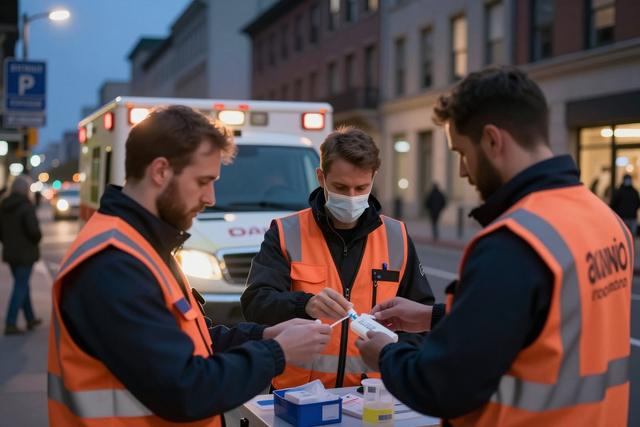
Montreal public health authorities and ambulance crews have issued a warning about a sharp rise in overdose deaths tied to the synthetic opioid carfentanil. They noted that the number of naloxone doses administered in the first half of 2026 matched the total number given throughout the entire previous year, highlighting a rapid acceleration of the crisis.
The parity in naloxone administrations between the six‑month period of 2026 and all of 2025 signals that emergency responders are confronting far more overdose incidents in a condensed timeframe. Health officials stress that the surge reflects a growing presence of carfentanil in the city’s illicit drug market, rather than a simple increase in overall drug use.
Carfentanil, a laboratory‑produced opioid, is many times more potent than heroin and even stronger than fentanyl. Its extreme strength means that even minute quantities can be lethal, and its appearance in street‑level supplies has been linked to a spike in fatal overdoses across Montreal. The drug’s potency also makes standard doses of naloxone less effective, prompting more frequent administrations by emergency personnel.
Public health officials attribute the recent escalation directly to the infiltration of carfentanil into the local supply chain. They point to recent toxicology reports and field observations that confirm the drug’s growing availability. The warning follows months of data collection by ambulance crews who have reported an uptick in calls for overdose assistance involving the substance.
Authorities continue to monitor the situation closely, tracking naloxone usage and overdose outcomes as part of an ongoing response effort. The emphasis remains on rapid intervention and public awareness as the city confronts the heightened danger posed by carfentanil’s spread throughout Montreal’s drug landscape.