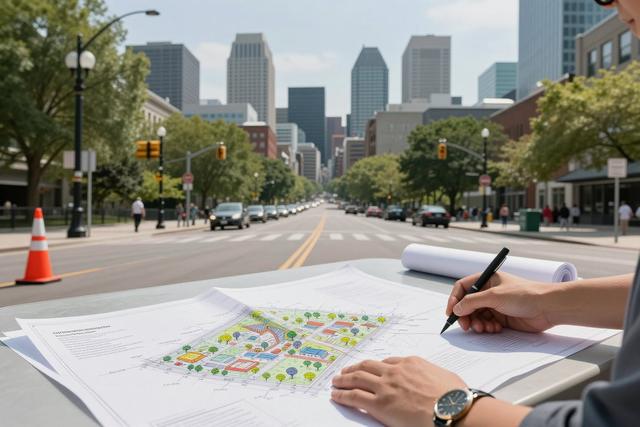
The City of Montreal announced on June 12, 2026 that it is beginning a reflection and public consultation process aimed at redesigning Avenue du Parc to improve road safety. The initiative follows a record of 13 road users losing their lives on the street over the past 13 years, a statistic that has highlighted the avenue’s reputation as one of the most dangerous thoroughfares in the city.
The city’s plan calls for an open dialogue with residents, commuters, business owners and other stakeholders to gather input on possible design changes. Officials said the consultation will explore options that could reduce conflict points between vehicles, cyclists and pedestrians, although specific measures have not yet been detailed. The goal is to develop a set of recommendations that address the high danger level identified on Avenue du Parc.
Avenue du Parc runs through several neighbourhoods in Montreal and has long been a key arterial road for both local traffic and through‑movement. Its status as a hazardous corridor was confirmed by municipal safety assessments, prompting the current effort to re‑examine its layout and traffic management. By involving the public early in the process, the city hopes to ensure that any redesign reflects community needs while meeting safety objectives.
The consultation will be conducted over the coming months, with opportunities for written feedback, public meetings and online surveys. The City of Montreal indicated that the findings from this reflection phase will feed into a broader redesign strategy, which could include alterations to lane configurations, speed limits, pedestrian crossings and cycling infrastructure. The timeline for implementing any changes will depend on the outcomes of the consultation and subsequent planning stages.
City officials emphasized that the safety of all road users remains a priority and that the new approach seeks to prevent further fatalities on Avenue du Parc. The process marks a proactive step toward addressing a long‑standing safety concern in the city’s transportation network.