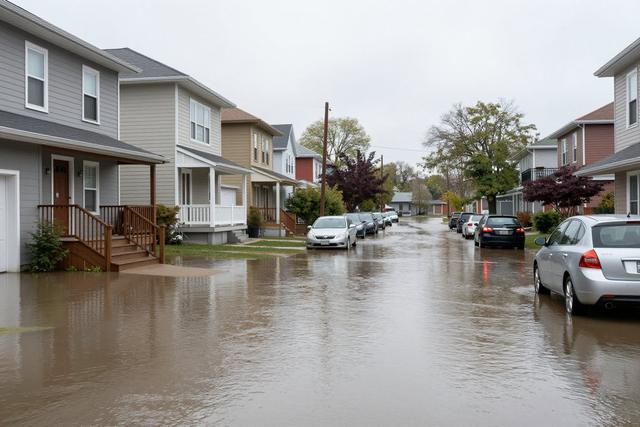
On Saturday, June 20, 2026, the City of Montreal and the municipalities of the West Island announced a joint effort to develop permanent flood‑mitigation infrastructure after the region experienced its fourth flash flood since 2017.
The latest event was triggered by torrential rain that quickly turned streets and yards into waterlogged areas, forcing residents to cope with inundated homes. The sudden surge highlighted the vulnerability of the West Island to intense precipitation.
In response, officials said they will focus on creating “sponge parks” – landscaped areas designed to absorb excess rainfall – and constructing retention basins that can temporarily hold floodwater before it reaches residential zones. These measures are intended to complement existing drainage systems and reduce the frequency of emergency flooding.
The decision follows a pattern of repeated flooding over the past decade, with three prior incidents recorded since 2017. City planners and West Island representatives noted that temporary fixes have proven insufficient, prompting a shift toward more durable, landscape‑based solutions.
While detailed designs and timelines have not been released, the collaboration signals a coordinated approach between municipal authorities to address a growing climate‑related risk. The proposed projects aim to protect property, limit damage to infrastructure, and provide a more resilient environment for the West Island’s growing population.
Residents who have endured multiple flood events hope the new initiatives will curb future disruptions. Authorities emphasized that the upcoming works will be part of a broader strategy to adapt the region’s water management to increasingly volatile weather patterns.